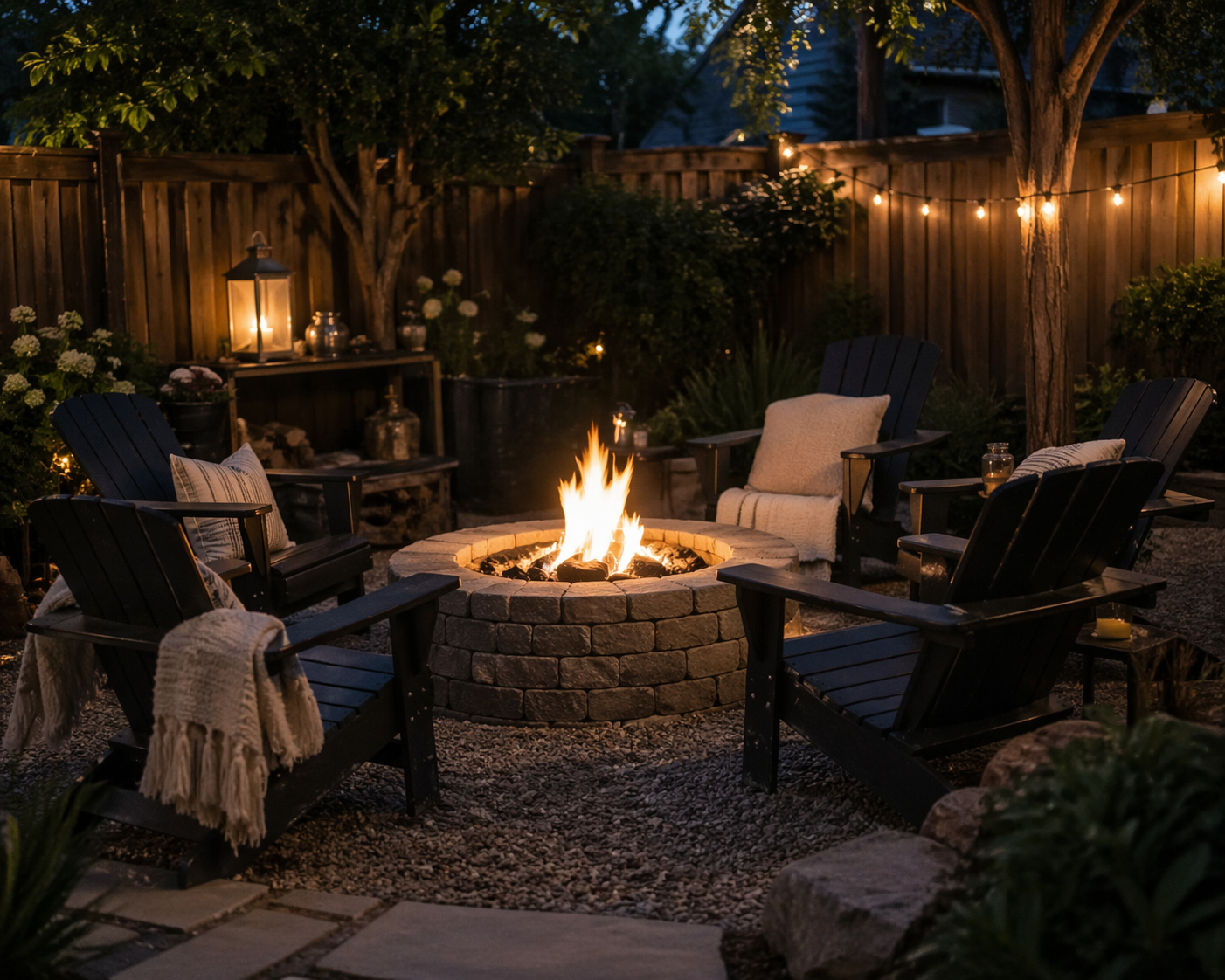
A custom fire pit in Tulsa typically costs $2,500 to $8,000 installed for a built-in design. Wood-burning pits run $1,500 to $5,000. Gas pits run $3,500 to $8,000 or more, with most of that difference coming from the gas line. Portable fire pits start around $150 and top out around $2,000. The right choice depends on how often you plan to use it and whether you want convenience or the crackle of real wood.
Wondering how much a custom fire pit costs in Tulsa? Most homeowners spend between $2,500 and $8,000 for a professionally built permanent fire pit. Wood-burning builds sit at the lower end. Natural gas pits cost more upfront but deliver instant-on convenience with zero smoke or ash. Portable units start around $150 for a weekend at Home Depot. This guide breaks down every option so you can budget with confidence.
Arrow Outdoor Living has been designing and installing custom fire pits across the Tulsa metro since 2021, earning 41 five-star Google reviews from homeowners who wanted a permanent fire feature that actually fits their backyard. Here is the same pricing framework we walk customers through on every free on-site estimate.
How Much Does a Custom Fire Pit Cost in Tulsa in 2026?
Here is what Tulsa homeowners generally pay for a new fire pit this year:
- Portable fire pits: $150 to $2,000
- Prefab fire pit kits (DIY assembly): $200 to $700
- Basic custom-built wood-burning fire pit: $1,500 to $3,500 installed
- Premium custom wood-burning fire pit: $3,500 to $5,000 installed
- Custom natural gas fire pit: $3,500 to $8,000 installed
- Luxury fire pit with seating wall and paver surround: $8,000 to $20,000+
For national 2026 cost data, HomeGuide reports the average gas fire pit installation at $3,500 to $8,000. Tulsa pricing lines up closely with those figures, with smaller standard builds trending lower and fully landscaped custom installations pushing higher.
Is a Gas or Wood-Burning Fire Pit Cheaper?
Wood-burning fire pits are cheaper to install. Gas fire pits cost more upfront but are significantly easier to use and maintain. Here is the direct comparison for a comparable 42-inch diameter permanent fire pit in Tulsa:
- Wood-burning fire pit: $1,500 to $5,000 installed
- Natural gas fire pit: $3,500 to $8,000 installed
- Price difference: $2,000 to $3,000, most of which covers the gas line
A natural gas line runs $15 to $50 per linear foot to install from your home’s gas supply to the fire pit location. If your fire pit sits 20 feet from the home’s existing gas line, expect around $300 to $1,000 in trenching and line work. If it sits 50 feet away across a yard, that number climbs to $750 to $2,500.
Over the long run, gas fire pits often cost less to operate than wood. A cord of firewood generally runs a few hundred dollars in the Tulsa area, and most families burn through one or two per year. Natural gas adds about $5 to $15 per month in fuel cost during regular use. Most homeowners break even on gas within 3 to 5 years and save money after that.
How Much Does a Built-In Fire Pit Cost?
A built-in fire pit typically costs $1,500 to $8,000 in Tulsa, depending on the fuel type, material, and finish. Here is how the pricing breaks down by scope:
- Basic built-in (concrete block, wood-burning, simple finish): $1,500 to $3,000
- Mid-range built-in (stone veneer, wood-burning, professional masonry): $3,000 to $5,000
- Premium built-in (natural gas, full stone, cap stone finish): $5,000 to $8,000
- Luxury built-in (integrated seating wall, paver patio, decorative features): $8,000 to $20,000+
What is included in a built-in fire pit quote from Arrow Outdoor Living:
- Excavation and footing preparation
- Concrete block or firebrick structural core
- Exterior finish (stone veneer, brick, or manufactured stone)
- Cap stone and interior firebrick lining
- Gas line trenching and hookup (for gas pits)
- Drainage and weather protection
- Permit fees when required
- Cleanup and debris removal
Cure time matters for custom builds. Both mortared stone and adhesive-set block fire pits need at least a week for the bonding material to fully set before the first fire. Plan your install window accordingly.
Fire Pit Cost by Material
The material you choose drives a big portion of the final price. Here is what each option runs for a standard 42-inch round fire pit:
- Concrete block with stucco finish: $1,500 to $2,500. Most affordable, modern look, budget-friendly.
- Manufactured stone veneer: $2,500 to $4,500. Consistent appearance, mid-range price, wide color options.
- Natural stone (limestone, sandstone, flagstone): $3,500 to $6,500. Classic look, weathers well in Oklahoma, premium price.
- Brick with firebrick liner: $2,000 to $4,000. Traditional look, pairs well with classic Tulsa homes.
- Corten (weathering) steel bowl: $2,500 to $5,500. Modern aesthetic, develops a natural rust patina, no ongoing maintenance.
Natural stone is the most popular choice in Tulsa for premium installations because it ages beautifully in the local climate and pairs well with masonry kitchens, patios, and retaining walls. For a broader look at premium masonry options, see Arrow’s Tulsa masonry services page.
What’s the Price Difference Between a Gas and Wood Fire Pit?
The price difference between gas and wood fire pits in Tulsa is usually $2,000 to $3,000, with gas being the more expensive option upfront. Here is exactly where that gap comes from:
- Gas line trenching: $300 to $2,500 depending on distance from the home’s gas supply
- Burner kit and ignition system: $400 to $2,000 (basic to electronic ignition with remote)
- Fire glass or lava rock fill: $150 to $500
- Permit for gas work: $75 to $200 in Tulsa
- Licensed plumber labor: $150 to $500 extra for the gas connection
Wood-burning pits skip all of that. You pay for the structure, the firebrick liner, and the cap stone, and you are done. The tradeoff is every future fire means sourcing wood, hauling it to the pit, building the fire, tending it, and cleaning the ash the next day.
Are Custom Fire Pits Worth It in Tulsa?
Custom fire pits are worth it for Tulsa homeowners who plan to use the feature at least once a month and want a permanent addition to their outdoor living space. The return on investment makes the case clearly:
- Typical ROI: outdoor living features consistently rank among the highest-return backyard upgrades in the Tulsa market, with most delivering strong resale value
- Extends usable backyard season: adds several weeks of comfortable outdoor time each year in Oklahoma’s climate
- Lifespan: 25+ years for a properly built natural stone pit, versus 3 to 5 years for most portable units
- Home buyer appeal: Outdoor living features consistently rank among the most desirable upgrades in the Tulsa market
Custom may not be worth it if you rarely use your backyard, if your budget tops out around $500, or if you move frequently. A portable fire pit at $150 to $500 delivers most of the ambiance at a fraction of the cost, and you can take it with you.
For a broader comparison of fire features against other outdoor upgrades, our article on outdoor living ROI covers which features deliver the most resale value in the Tulsa market.
Portable vs. Built-In Fire Pit: Which Is Right for You?
Portable fire pits and built-in fire pits solve different problems. Here is how to decide between them:
Portable fire pit makes sense if:
- Your budget tops out around $500 to $1,500
- You rent or plan to move within 5 years
- You want the option to change the fire pit’s location in your yard
- You want to use the fire pit at multiple locations (deck, patio, camping)
- You are testing whether you will actually use a fire pit regularly before investing in a permanent one
Built-in fire pit makes sense if:
- You plan to stay in the home 5+ years
- You want the fire pit as a designed focal point in your backyard
- You want seating walls, paver surrounds, or integration with a patio
- You want natural gas for instant-on convenience
- You want the feature to add resale value and look intentional to future buyers
Most Tulsa homeowners who invest in outdoor living spaces eventually move toward built-in because the design integration matters. A portable bowl sitting in the middle of a patio always looks like a bowl sitting on a patio. A built-in pit with matching stone to the house, a cap stone, and surrounding hardscape looks like it was always meant to be there.
How Much Does It Cost to Install a Fire Pit in Your Backyard?
The cost to install a fire pit in a Tulsa backyard depends primarily on the type of pit and whether additional hardscape is part of the project. Here is a realistic all-in range by project scope:
- Fire pit only (on existing patio): $1,500 to $5,000
- Fire pit with new paver patio surround (10×10): $4,500 to $9,500
- Fire pit with seating wall (3-sided, stone): $6,000 to $12,000
- Full sunken fire pit lounge with seating walls and paver patio: $8,000 to $18,000
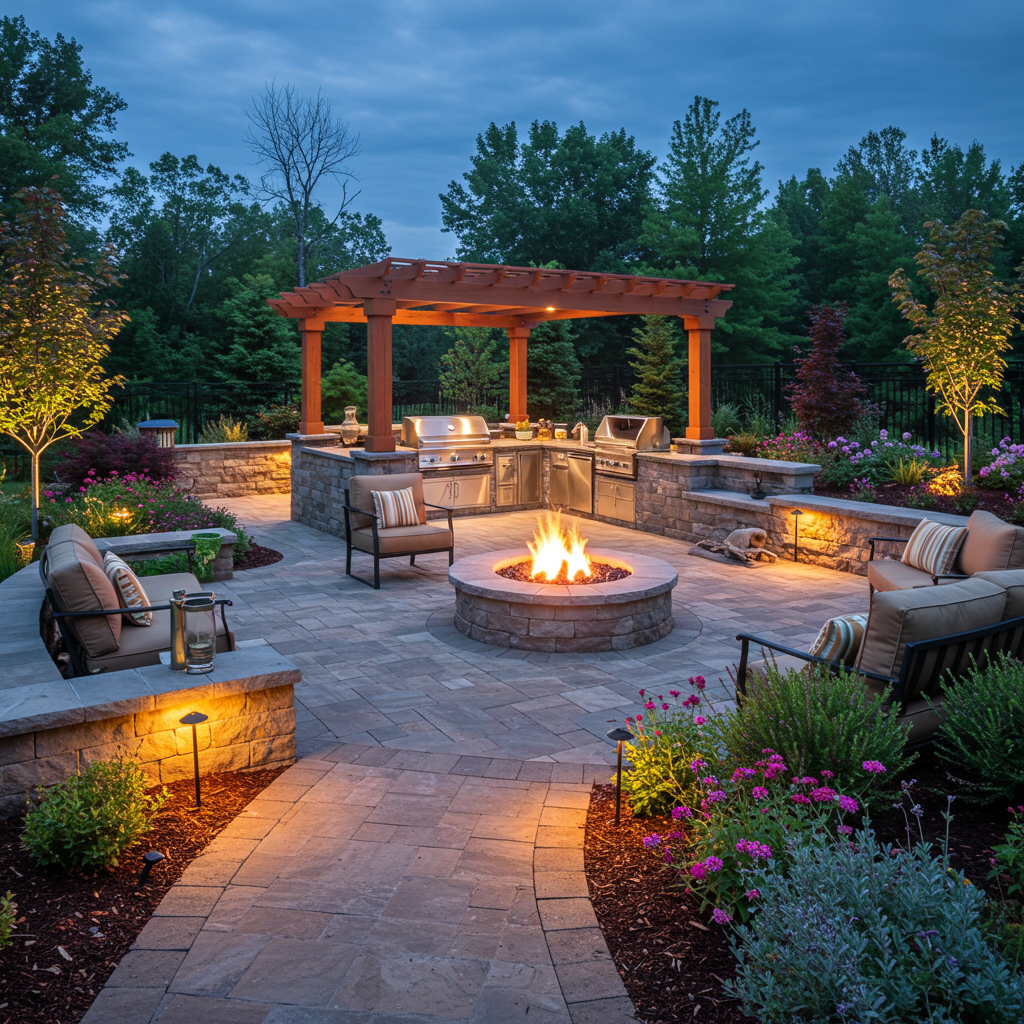
- Luxury fire pit area with outdoor kitchen integration: $15,000 to $30,000+
Labor typically accounts for 40 to 50 percent of a custom fire pit project, higher than the 20 to 30 percent you see on pergolas or decking. Masonry work is labor-intensive and skill-dependent, which is why qualified installers charge a premium.
Extra Features That Increase Fire Pit Cost
- Seat walls flanking the fire pit: $1,500 to $5,000
- Electronic ignition kit (gas pits): $400 to $2,000
- Fire glass or premium lava rock fill: $150 to $500
- Safety screen or spark guard: $40 to $250
- Built-in wood storage alcove: $500 to $1,500
- Integrated lighting around the pit: $500 to $2,000
- Paver patio surround (per 100 square feet): $1,500 to $3,500
- Drainage system (for sunken or low-spot installations): $1,000 to $4,000
How Tulsa’s Climate Affects Fire Pit Cost
Oklahoma weather adds a few specific requirements that affect both design and price:
- Freeze-thaw cycles. Tulsa winters dip below freezing often enough that the fire pit footing and surround must handle seasonal expansion. Mortared masonry and properly drained bases prevent cracking. Expect $200 to $500 in additional base prep compared to warmer climates.
- High winds. Oklahoma sits in a high-wind zone. Wood-burning pits need heavier spark guards, and both types benefit from partial wind breaks, pergolas, or masonry walls nearby to keep flames manageable.
- Humidity and rain. Gas burners and electronic ignition components need proper weather covers. Drainage channels under the pit prevent water pooling that can crack firebrick during winter freezes.
- Summer heat. Extended dry stretches occasionally trigger burn bans in Tulsa County. Gas fire pits are typically exempt from these restrictions, which gives year-round usability that wood pits cannot match.
Do You Need a Permit for a Fire Pit in Tulsa?
Wood-burning fire pits in Tulsa generally do not require a permit for residential use, as long as they meet clearance requirements (typically 10 feet from any structure, fence, or overhang). Natural gas fire pits almost always require a permit because of the gas line work, with fees typically running $75 to $200.
Arrow handles the permit process as part of any gas fire pit project. HOA rules are separate from city permits, and many Tulsa neighborhoods have their own restrictions on fire features. Check your HOA covenant before committing to a design.
For a closer look at whether a fire feature is right for your backyard before you start pricing, our existing guide on fireplaces vs. fire pits for Tulsa backyards compares the two options across cost, use, and installation.
How to Get the Best Value on a Custom Fire Pit
- Bundle with other hardscape work. Building the fire pit at the same time as a new patio or outdoor kitchen saves on mobilization, excavation, and materials delivery.
- Match the material to your home. Picking stone or brick that complements your existing exterior makes the fire pit look intentional and built-in rather than added on.
- Choose natural gas if you have existing gas service. The upfront cost is higher, but the convenience and year-round usability usually pay off within a few years.
- Get three written quotes. Prices vary meaningfully between Tulsa contractors, and the lowest price is rarely the best value.
- Ask about future expansions. A fire pit today can become the anchor of a full outdoor living area later. Plan for future seating walls, pergola placement, or outdoor kitchen work during the initial design.
Frequently Asked Questions
How long does a custom fire pit last in Tulsa?
A properly built custom fire pit in Tulsa lasts 20 to 30+ years with basic maintenance. Natural stone and firebrick-lined pits sit at the top of that range. Portable metal fire pits typically last 3 to 5 years before rust, wear, or component failure requires replacement.
Can I use a fire pit under a pergola in Tulsa?
Gas fire pits are generally safe under an open-slat pergola as long as local building codes allow it and clearance requirements are met. Wood-burning fire pits should not be placed under any overhead structure because of flying embers and heat buildup. Always confirm clearances with your installer during the design process.
Is natural gas or propane better for a fire pit?
Natural gas is better if your home has existing gas service, because it delivers unlimited fuel at a lower long-term cost. Propane is the better pick if your fire pit is far from the gas meter, if your home has no gas service, or if you want the pit to be relocatable. Both produce comparable flame quality and heat output.
How often should I clean a gas fire pit?
Gas fire pits need very little maintenance compared to wood-burning pits. Wipe down the burner and replace or clean fire glass or lava rock once or twice a year. Cover the pit when not in use to keep rain, debris, and insects out of the burner system. Most Tulsa homeowners spend less than an hour per year on gas fire pit maintenance.
Ready to Price a Custom Fire Pit for Your Tulsa Backyard?
A custom fire pit turns a backyard into a year-round gathering space and extends your usable outdoor season by weeks or months. Whether you want a simple wood-burning stone ring or a full gas-fired installation with seating walls and paver surround, understanding the real cost helps you plan with confidence.
At Arrow Outdoor Living, we design and build custom fire pits across Tulsa, Broken Arrow, Bixby, Jenks, Owasso, and Bartlesville. Our team handles everything from design to masonry to gas and electrical hookups, including permits and HOA coordination.
Call us at (918) 300-0379 or request a free fire pit estimate online. Let’s build the right fire pit for your backyard.