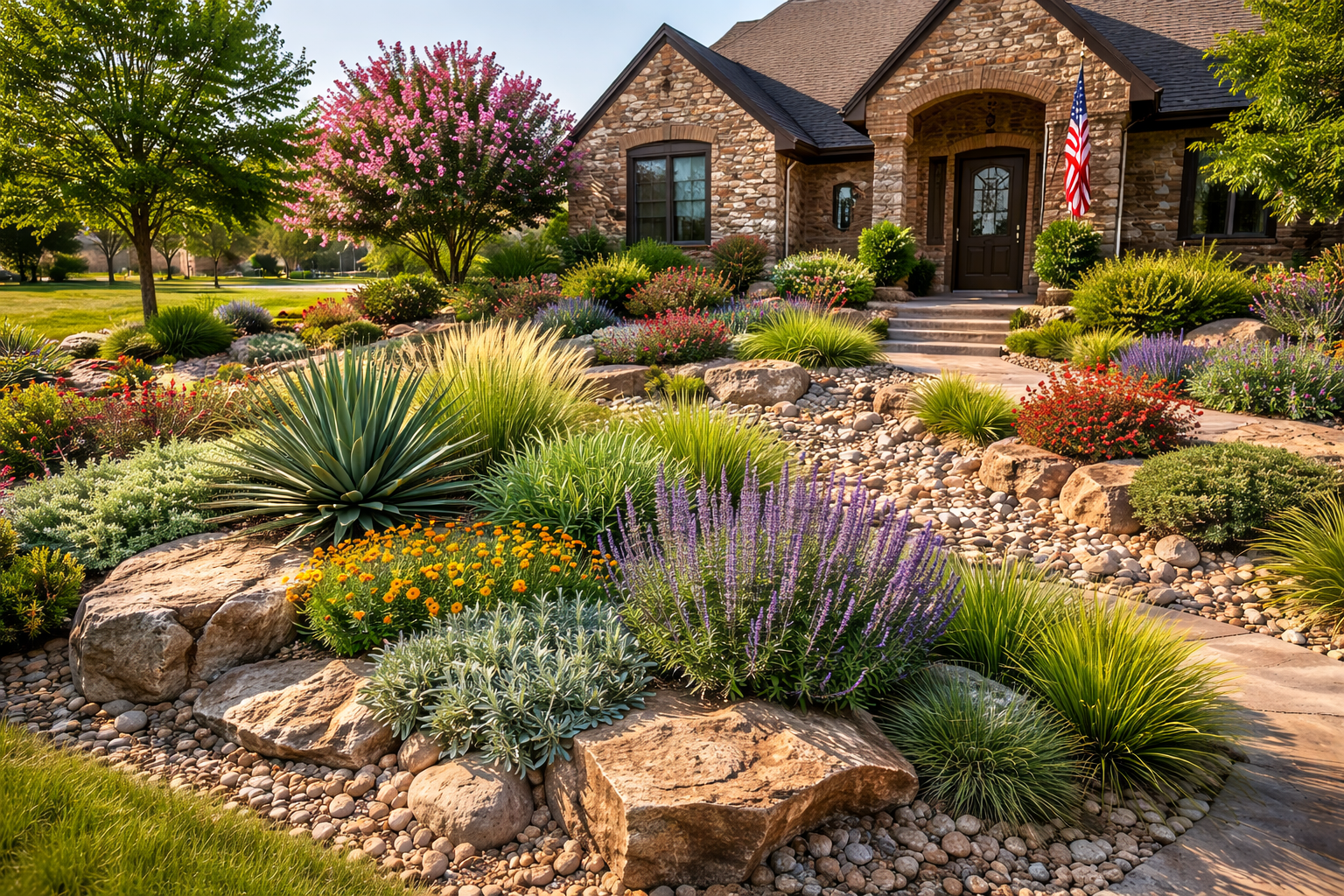
The best drought tolerant plants for Tulsa landscaping are Black-Eyed Susan, Purple Coneflower, Autumn Sage, Lantana, Russian Sage, Little Bluestem grass, Crepe Myrtle, Yaupon Holly, Eastern Redbud, and Bur Oak. These plants handle Oklahoma’s heat, clay soil, and unpredictable rainfall without constant watering once they are established.
The best drought tolerant plants for Tulsa landscaping are the ones built for hot summers, heavy clay soil, and stretches of zero rain that can hit Green Country in July and August. Tulsa sits in USDA Hardiness Zone 7a, which means traditional landscaping plants from milder climates often die in their first summer. The good news is that plenty of beautiful, low-maintenance options thrive here. This guide breaks down the strongest performers by category so you can build a yard that looks great and stays alive.
Why Drought Tolerant Plants Are the Smart Choice for Tulsa Yards
Tulsa rainfall is unpredictable. The area can get drenched in spring, then go six to eight weeks without meaningful rain at the peak of summer. Plants that need consistent moisture struggle here. Drought tolerant plants, especially native and adapted species, give Tulsa homeowners a long list of practical benefits:
- Lower water bills, often 40 to 60 percent less than traditional landscaping
- Less fertilizer needed since native plants are matched to Oklahoma soil
- Better resistance to local pests and disease
- Less time spent replacing dead plants every season
- Stronger curb appeal and home value from a healthy, intentional landscape
A drought tolerant Tulsa landscape is not a yard full of rocks and cacti. Done right, it is colorful, layered, and full of texture. We have been designing landscapes like this for Tulsa homeowners since 2021, and the formula is the same every time: pick plants matched to the climate, prep the soil, mulch heavily, and group plants by water needs.
Best Drought Tolerant Perennials for Tulsa Landscaping
Perennials come back year after year, which makes them one of the smartest investments in any Tulsa yard. These six perennials are proven performers in Oklahoma heat and clay.
Black-Eyed Susan (Rudbeckia hirta)
Black-Eyed Susan is one of the most dependable drought tolerant plants for Tulsa landscaping. It produces bright yellow flowers with dark centers from summer through fall, tolerates dry soil, and pulls in pollinators. Once established, it spreads naturally and asks for almost nothing.
Purple Coneflower (Echinacea purpurea)
Purple Coneflower is a native Oklahoma wildflower and one of the strongest all-around perennials for Green Country. It blooms through summer, handles heat without flinching, and reseeds freely so beds fill in over time. Butterflies and bees love it.
Autumn Sage (Salvia greggii)
Autumn Sage blooms from spring through first frost and keeps producing color through the hottest part of a Tulsa summer. Hummingbirds work it constantly. It tolerates poor soil and dry conditions, and it comes in red, pink, coral, and white varieties.
Lantana
Lantana thrives in full sun and heat that would cook most plants. It blooms continuously through summer with clusters of orange, yellow, red, and pink flowers. In Tulsa, it is treated as an annual and replanted each spring, but the sheer amount of color it delivers makes it worth it.
Indian Blanket (Gaillardia pulchella)
Indian Blanket is the Oklahoma state wildflower. It produces bold red, orange, and yellow daisy-like flowers from May through August and tolerates dry, sandy soil that would defeat most plants. It reseeds freely and can act as a ground cover in the right spot.
Russian Sage (Perovskia atriplicifolia)
Russian Sage adds silvery foliage and soft purple blooms from midsummer into fall. It thrives in dry soil, handles heat with no complaint, and provides excellent texture contrast in mixed beds. Plant it toward the back of a border where it can show off its height.
Best Drought Tolerant Shrubs for Tulsa
Shrubs provide structure, privacy, and year-round interest in a Tulsa landscape. These five varieties are proven in our soil and climate.
Crepe Myrtle (Lagerstroemia)
Crepe Myrtle is one of the most popular drought tolerant plants for Tulsa landscaping for good reason. It loves heat and sun, tolerates drought once established, and puts on a long summer show in pink, red, white, and purple. Attractive bark and fall color give it four-season appeal.
Texas Sage (Leucophyllum frutescens)
Texas Sage, sometimes called barometer bush, is built for hot and dry. It has silvery foliage all year and bursts into purple blooms after rain, which is where the barometer name comes from. It is extremely low-maintenance, tolerates poor soil, and needs full sun.
Yaupon Holly (Ilex vomitoria)
Yaupon Holly is one of the toughest native shrubs in Oklahoma. It tolerates drought, poor drainage, and heavy clay soils, which is the trifecta of Tulsa landscape challenges. Female plants produce red berries in fall and winter that birds love. Available in upright and dwarf varieties to fit different spaces.
Sumac (Rhus spp.)
Sumac is a native shrub that earns its keep. It produces cone-shaped flower clusters that turn into berries (great winter food for birds) and delivers striking red to orange fall color. It spreads by root suckers, so give it room.
Barberry (Berberis thunbergii)
Barberry is a tough, low-maintenance shrub with strong drought tolerance once established. The thorny branches naturally deter foot traffic, and the burgundy or golden foliage holds its color through Tulsa summer heat better than most ornamentals.
Best Drought Tolerant Ornamental Grasses for Tulsa
Ornamental grasses add movement, texture, and low-maintenance beauty to a Tulsa landscape. These three native and adapted grasses are the strongest choices.
Little Bluestem (Schizachyrium scoparium)
Little Bluestem is a native prairie grass and one of the best ornamental grasses for Tulsa. It is blue-green through summer and turns striking copper-bronze in fall. Extremely drought tolerant, low-maintenance, and a winter food source for birds that feed on the seed heads.
Switchgrass (Panicum virgatum)
Switchgrass is a native prairie grass that handles heat, drought, and Oklahoma wind without issue. It grows upright, offers good fall color, and works well for erosion control on slopes. Several cultivars are available with reddish or gold fall color.
Blue Grama Grass (Bouteloua gracilis)
Blue Grama is a short native prairie grass with curved seed heads that look like tiny eyelashes. It is extremely drought tolerant and works well as a lawn alternative in spots where turf grass struggles. It is featured on the Oklahoma State University drought-tolerant plant list for its performance across the state.
Best Drought Tolerant Trees for Tulsa
Trees take time to establish, so picking the right species at the start matters a lot. These four are proven in Tulsa soil and climate.
Eastern Redbud (Cercis canadensis)
Eastern Redbud is Oklahoma’s state tree and one of the best small trees for Tulsa landscapes. Pink to purple blooms cover the bare branches in early spring, then the tree gives filtered shade through summer. Drought tolerant once established, and it handles Tulsa clay soils well.
Bur Oak (Quercus macrocarpa)
Bur Oak is one of the most durable native oaks in Oklahoma. It is slow-growing but extremely long-lived, with a deep root system that makes it highly drought tolerant once established. Bur Oaks handle heavy clay and Oklahoma wind better than most large shade trees.
Lacebark Elm (Ulmus parvifolia)
Lacebark Elm is a fast-growing shade tree that tolerates heat, wind, drought, and poor soil. It has attractive mottled bark for winter interest and is resistant to Dutch elm disease. One of the best trees for getting shade quickly in a Tulsa yard.
Crepe Myrtle (Tree Form)
In its larger tree form, Crepe Myrtle works as a focal point or small patio tree. The same heat and drought tolerance that makes the shrub form popular applies here, plus beautiful summer blooms and peeling bark for winter interest.
What is the Best Time of Year to Plant in Tulsa?
The best time of year to plant in Tulsa is fall, specifically September through November. Cooler air, warm soil, and fall rain give plants a chance to grow strong roots before summer heat arrives. Spring planting in March and April also works, but it requires closer attention to watering through the first summer. Avoid planting in June, July, or August unless you can commit to consistent watering for the first eight to twelve weeks. Even drought tolerant plants need help during the establishment period.
What Plants Should You Avoid in a Tulsa Landscape?
Several popular plants struggle hard in a Tulsa landscape and are usually a waste of money. Avoid these:
- Bradford Pear — invasive, weak limbs that snap in Oklahoma wind, banned for sale in some states
- Silver Maple — shallow aggressive roots that crack driveways and clog sewer lines
- Hybrid Tea Roses — disease-prone in Tulsa humidity, high maintenance
- Hydrangeas in full sun — they wilt by mid-July without serious shade and water
- Boxwood in clay-heavy areas — root rot is common with poor drainage
- Most blueberry varieties — Tulsa soil is too alkaline without major amendment
If you already have any of these and they are struggling, replacement is usually cheaper than constant babysitting. Our team handles plant removal and replacement as part of our Tulsa landscaping services across Tulsa, Broken Arrow, Bixby, Jenks, Owasso, and Bartlesville.
How Do Drought Tolerant Plants Hold Up in Tulsa Clay Soil?
Drought tolerant plants hold up well in Tulsa clay soil, but only if the soil is prepped correctly at planting time. Tulsa clay drains poorly and can suffocate roots if planting holes turn into bathtubs. The fix is mixing coarse compost into the planting hole and the surrounding bed to improve drainage without losing the clay’s natural moisture retention. Avoid mixing fine sand into clay, which creates a concrete-like result. Native plants like Bur Oak, Yaupon Holly, and Little Bluestem actually prefer clay once their roots break through it.
Tulsa Soil and Planting Tips That Make a Real Difference
Even drought tolerant plants need a good start. These planting habits separate yards that thrive from yards that struggle:
- Plant in fall when possible. September through November is the ideal window in Tulsa. Cooler temperatures and fall rain help roots establish before summer.
- Amend heavy clay soil at planting time. Mixing coarse compost into the planting hole improves drainage without removing the clay’s moisture-holding benefit.
- Mulch generously. A 2-to-3-inch layer of mulch retains moisture, regulates soil temperature, and suppresses weeds. This single step dramatically improves survival rates through Oklahoma summers.
- Water deeply, not often. During the first season, water deeply once or twice a week instead of a little every day. Deep watering encourages roots to grow down rather than staying near the surface.
- Group plants by water needs. Place plants with similar watering requirements together. This is the foundation of xeriscaping and prevents overwatering drought tolerant plants while keeping thirstier neighbors alive.
- Give plants room to grow. Many Oklahoma natives spread aggressively once established. Check the mature size before planting and space accordingly.
How Drought Tolerant Plants Work With Outdoor Living Spaces
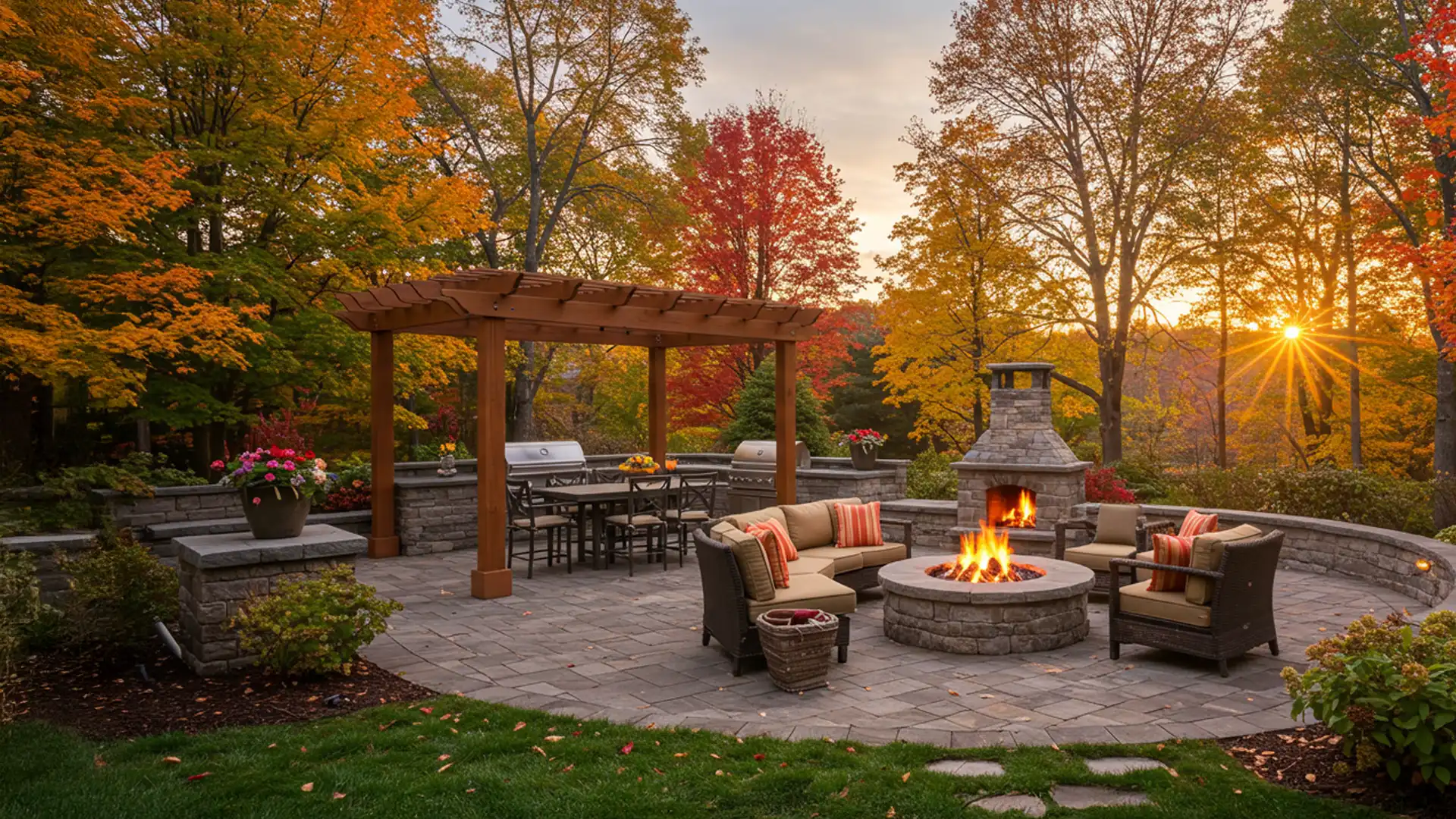
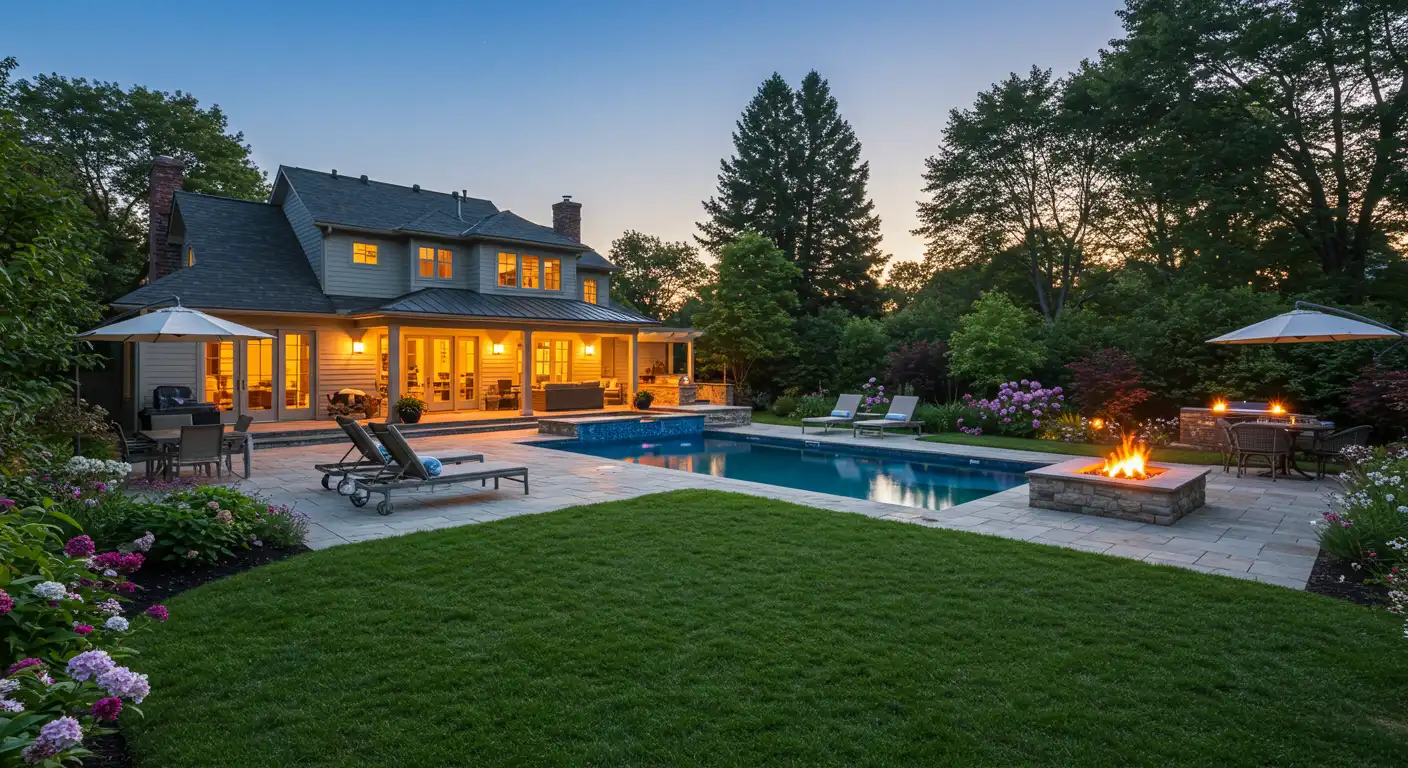
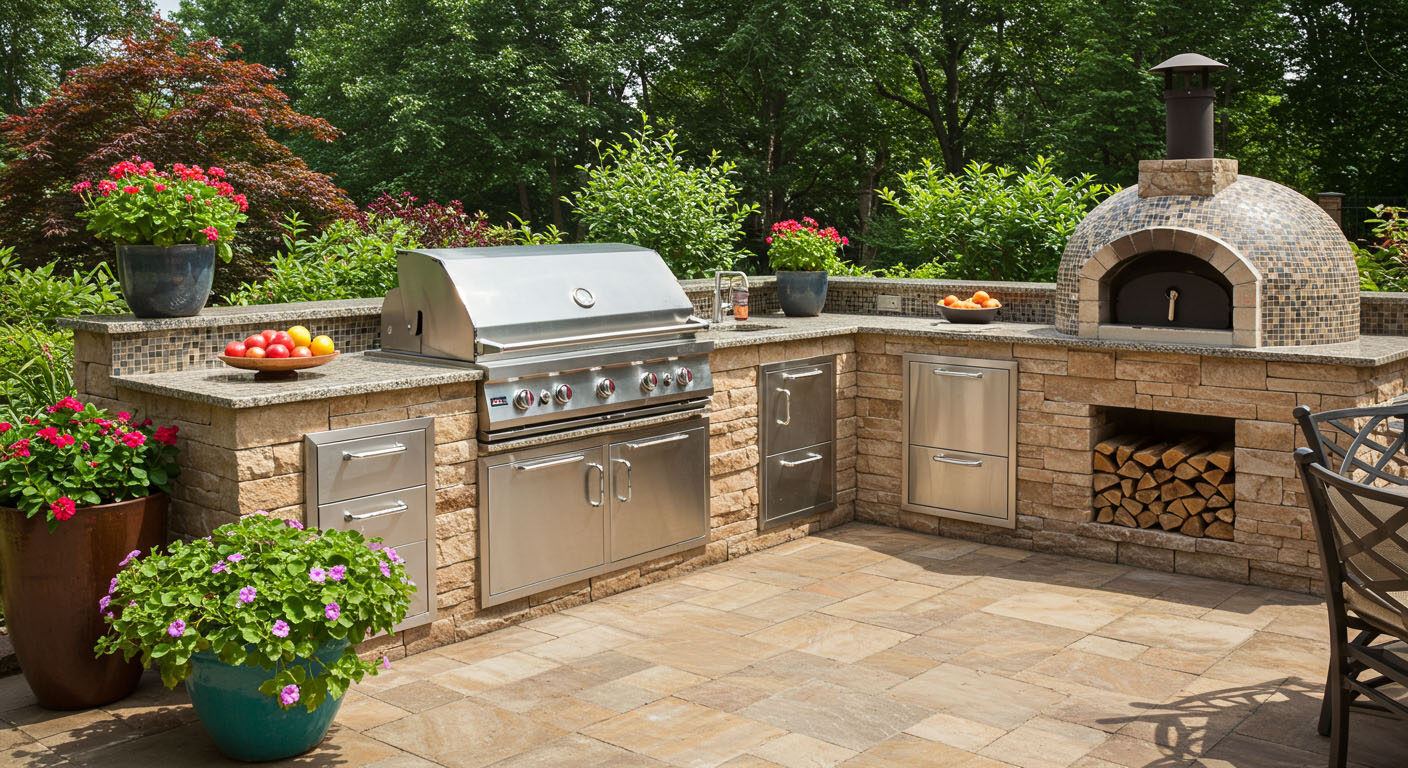
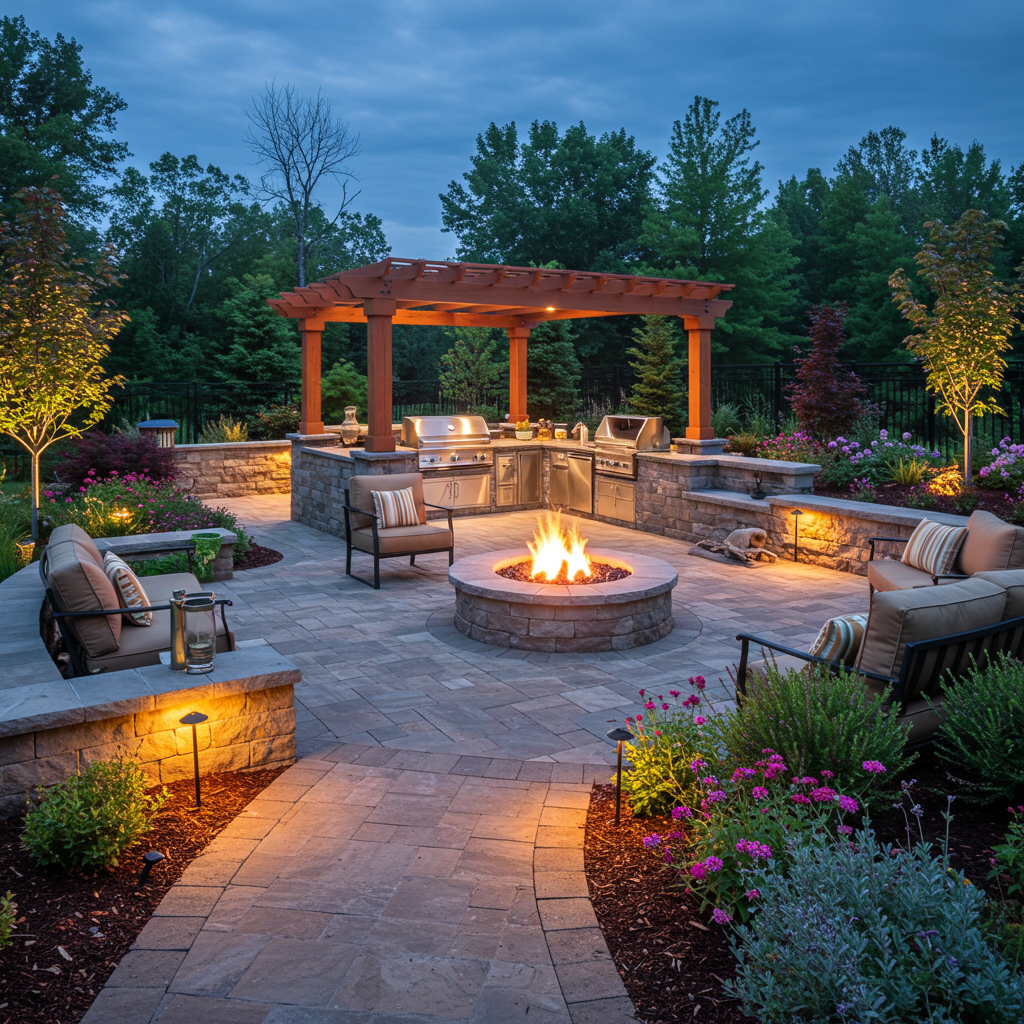
The best Tulsa landscapes connect outdoor living spaces (patio, pergola, outdoor kitchen) with the surrounding planting beds in a way that feels intentional. Drought tolerant plants are perfect for this because they are low-maintenance enough to let homeowners actually enjoy the space.
Ornamental grasses and perennials work well along patio borders and bed edges. Taller shrubs like Crepe Myrtle and Texas Sage provide screening, shade, and color along fences and property lines. Trees like Eastern Redbud or Lacebark Elm anchor corners of an outdoor living space and throw natural shade over a seating area. Drought tolerant plants are also one of the best ways to add backyard privacy without a fence, especially with layered plantings of evergreens and tall ornamental grasses.
If you are planning a new patio, pergola, or outdoor kitchen alongside your landscaping update, it pays to think about both projects together. Our guide to the best outdoor living upgrades to prioritize on a budget walks through how to phase the work without wasting money.
Frequently Asked Questions About Drought Tolerant Plants in Tulsa
Do drought tolerant plants need any watering at all?
Yes, drought tolerant plants need regular watering during the establishment period, which is usually the first growing season. After that, most need little to no supplemental water during normal years. During extended droughts, an occasional deep watering keeps even established plants healthy.
Are native plants and drought tolerant plants the same thing?
Not exactly, but there is heavy overlap. Oklahoma native plants are naturally adapted to local rainfall, soil, and climate, which makes most of them drought tolerant by default. Some non-native plants are also excellent drought performers in Tulsa. Crepe Myrtle and Russian Sage are good examples. The strongest landscapes mix both.
Can I replace my lawn with drought tolerant plants?
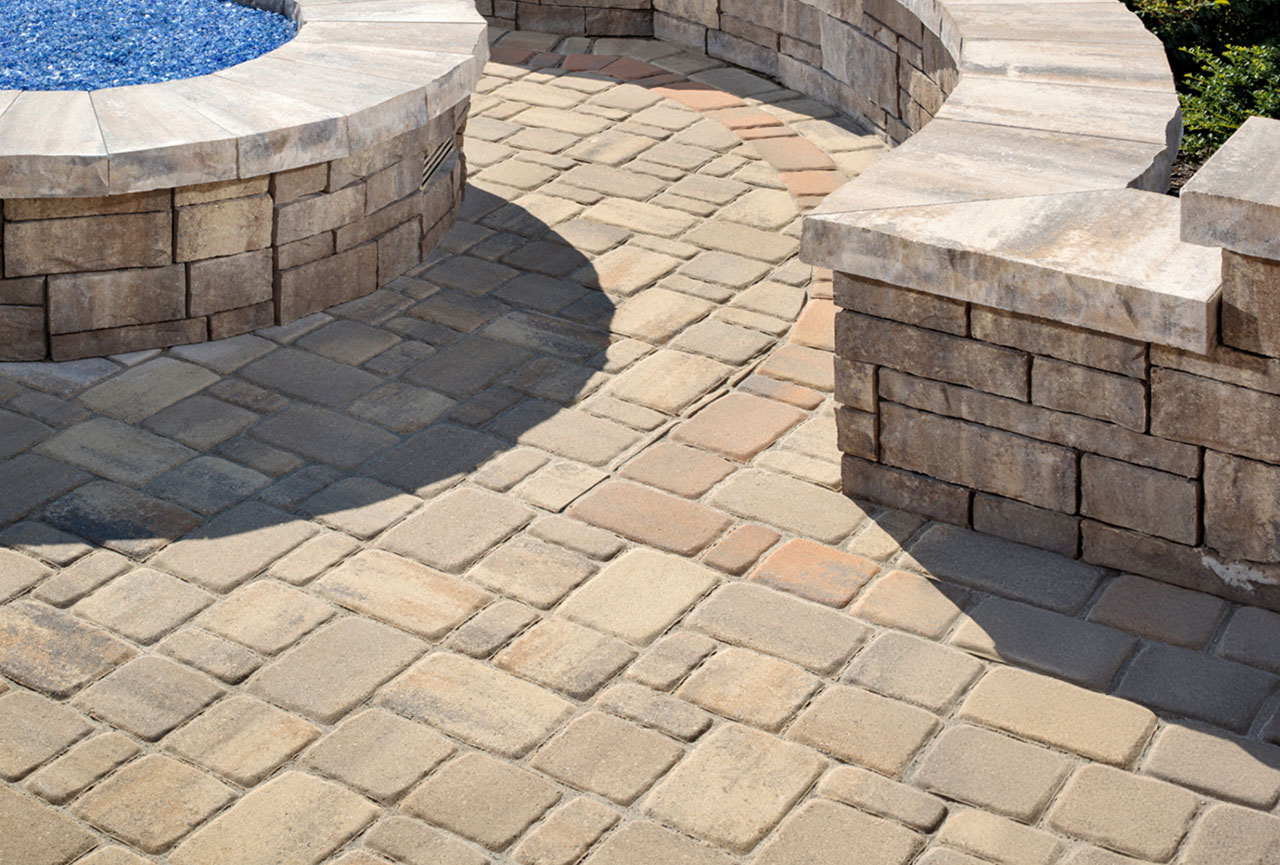
Yes, partially. Native grasses like Buffalo Grass and Blue Grama work well as low-water lawn alternatives in spots where traditional turf struggles. Many Tulsa homeowners are also converting high-traffic lawn areas to paver patios or decomposed granite while adding drought tolerant beds along borders and fence lines, which reduces turf without eliminating it.
How long does it take drought tolerant plants to establish in Tulsa?
Most drought tolerant plants establish in one full growing season in Tulsa, but trees and larger shrubs can take two to three years to develop their full root system. The rule of thumb is that drought tolerance kicks in once the plant has survived its first complete summer with regular watering. After that, you can ease back significantly.
What is the most drought tolerant plant for Oklahoma?
The most drought tolerant plants for Oklahoma are native species like Yaupon Holly, Bur Oak, Little Bluestem, and Indian Blanket. These plants evolved in Oklahoma’s exact climate and rainfall pattern, so they survive long droughts with no supplemental water once established.
Ready to Upgrade Your Tulsa Landscape?
Picking the right plants is step one. Step two is putting them in the right places, at the right spacing, with the right soil prep. That is where professional landscape design pays for itself.
Arrow Outdoor Living designs and installs complete outdoor living spaces for Tulsa homeowners, including landscaping, paver patios, pergolas, outdoor kitchens, and more. We have been serving Tulsa, Broken Arrow, Bixby, Jenks, Owasso, and Bartlesville since 2021. Whether you are starting from scratch or refreshing an existing landscape, our team helps you choose plants and materials that work in Oklahoma and fit your budget.
Ready to get started? Contact Arrow Outdoor Living for a free estimate and let’s build an outdoor space that looks great and stays that way.