How much does a paver patio cost in Tulsa? Most homeowners pay between $14 and $25 per square foot installed, which puts a typical 300-square-foot patio in the $4,200–$7,500 range and a larger 500-square-foot patio between $7,000 and $12,500. Natural stone and high-end paver brands push costs higher, while standard concrete pavers keep them closer to the lower end of that range.
Pavers are the most popular patio material in Tulsa right now — and for good reason. They hold up well against Oklahoma’s freeze-thaw cycles and drain better than poured concrete. On top of that, individual pavers can be repaired section by section without tearing out the entire surface. In terms of design, no other patio material offers as many colors, textures, and patterns, which gives homeowners a lot of control over how the finished space looks. Here’s a full breakdown of what drives the price so you can budget accurately before getting quotes.
Paver Patio Cost by Size in Tulsa
Size is the biggest single cost factor. Here’s what Tulsa homeowners typically pay for common patio sizes at the local average of $14–$25 per square foot installed:
- Small patio (10 x 12 ft / 120 sq ft) — $1,700 to $3,000. A starter patio for a seating area or grill space. Suitable for a couple of chairs and a small table.
- Medium patio (16 x 18 ft / 288 sq ft) — $4,000 to $7,200. The most common residential patio size in Tulsa. Enough room for an outdoor dining set plus a seating area or fire pit.
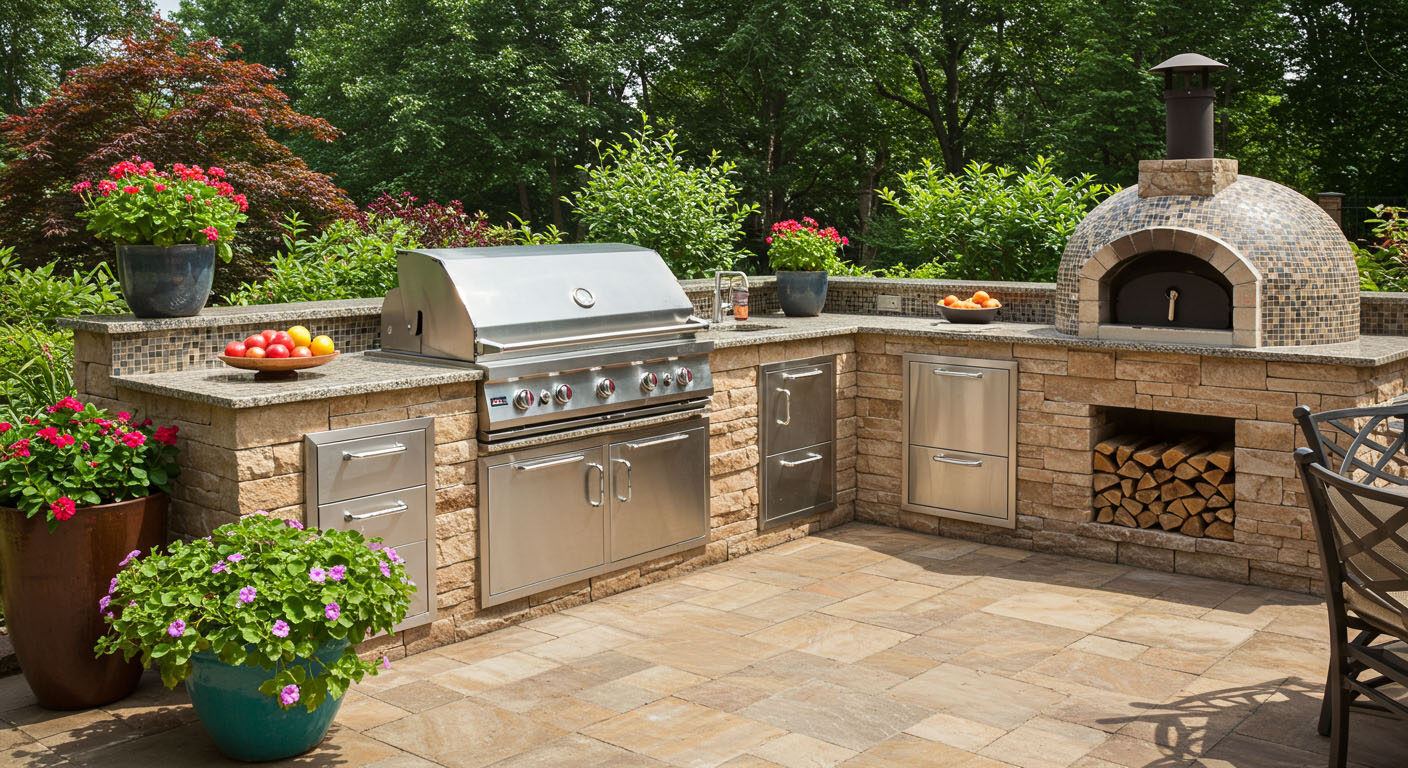
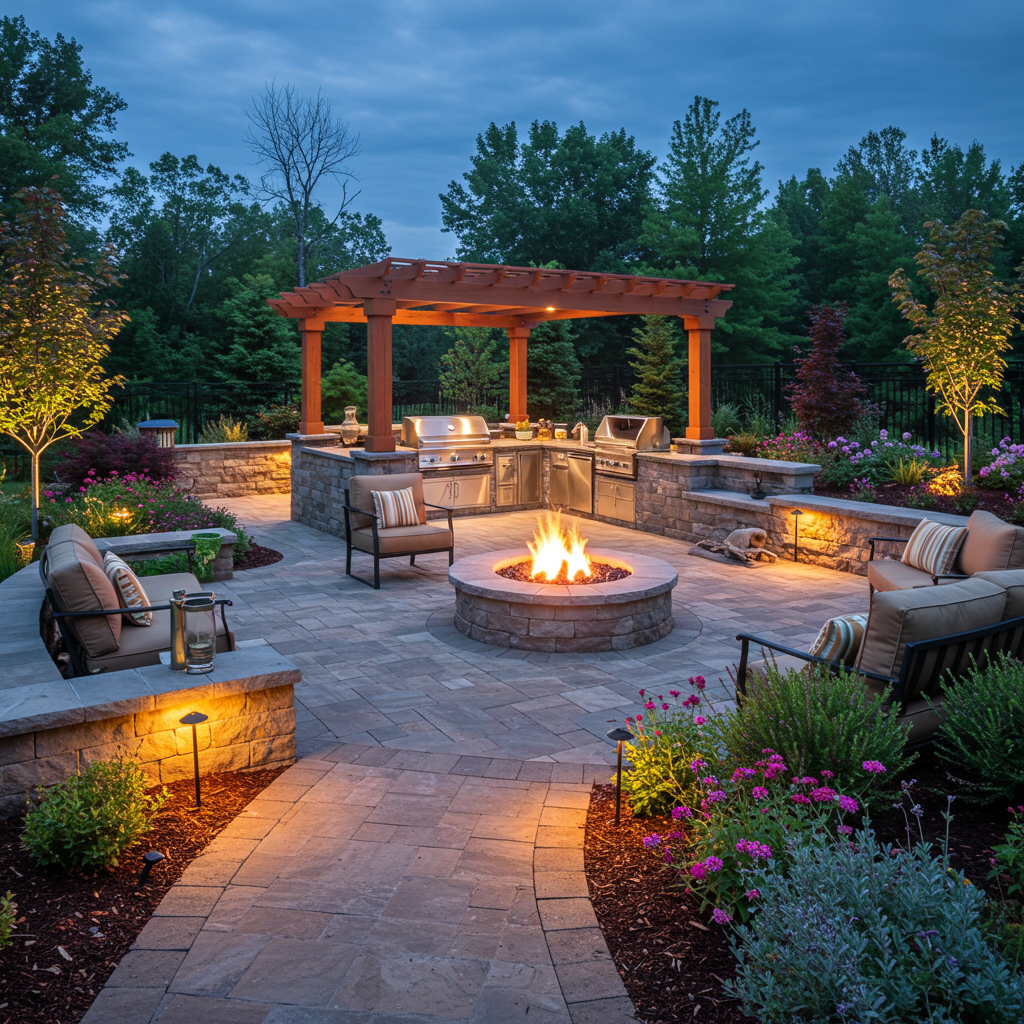
- Large patio (20 x 24 ft / 480 sq ft) — $6,700 to $12,000. Suitable for outdoor kitchens, pergolas, and full entertaining setups. Larger projects often benefit from a lower per-square-foot cost as setup and labor gets spread across more area.
- XL or full backyard patio (600+ sq ft) — $12,000 to $25,000+. Complete backyard hardscape builds with multiple zones, levels, or integrated features. Price depends heavily on layout complexity and material selection.
Paver Patio Cost by Material
The type of paver you choose affects both material cost and labor, since some materials require more precise cutting and placement than others.
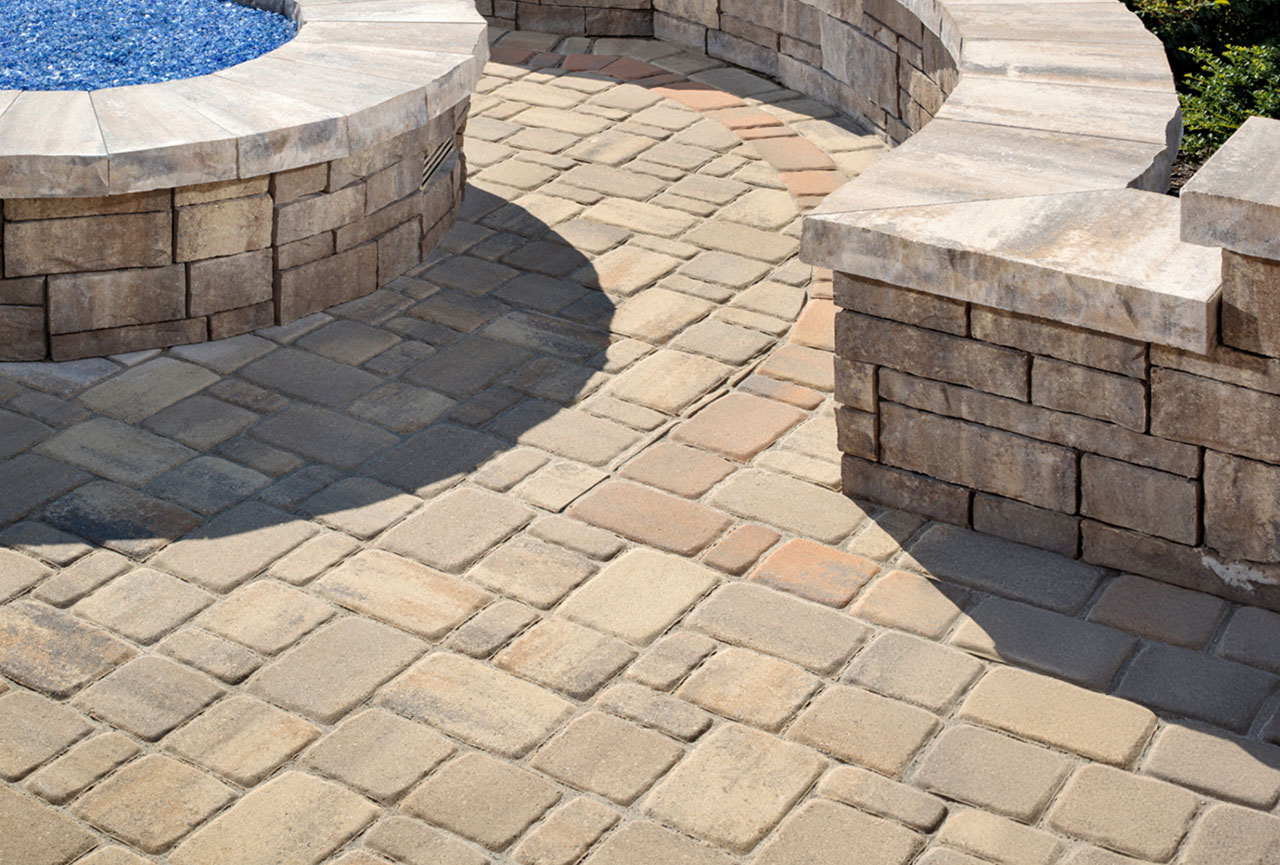
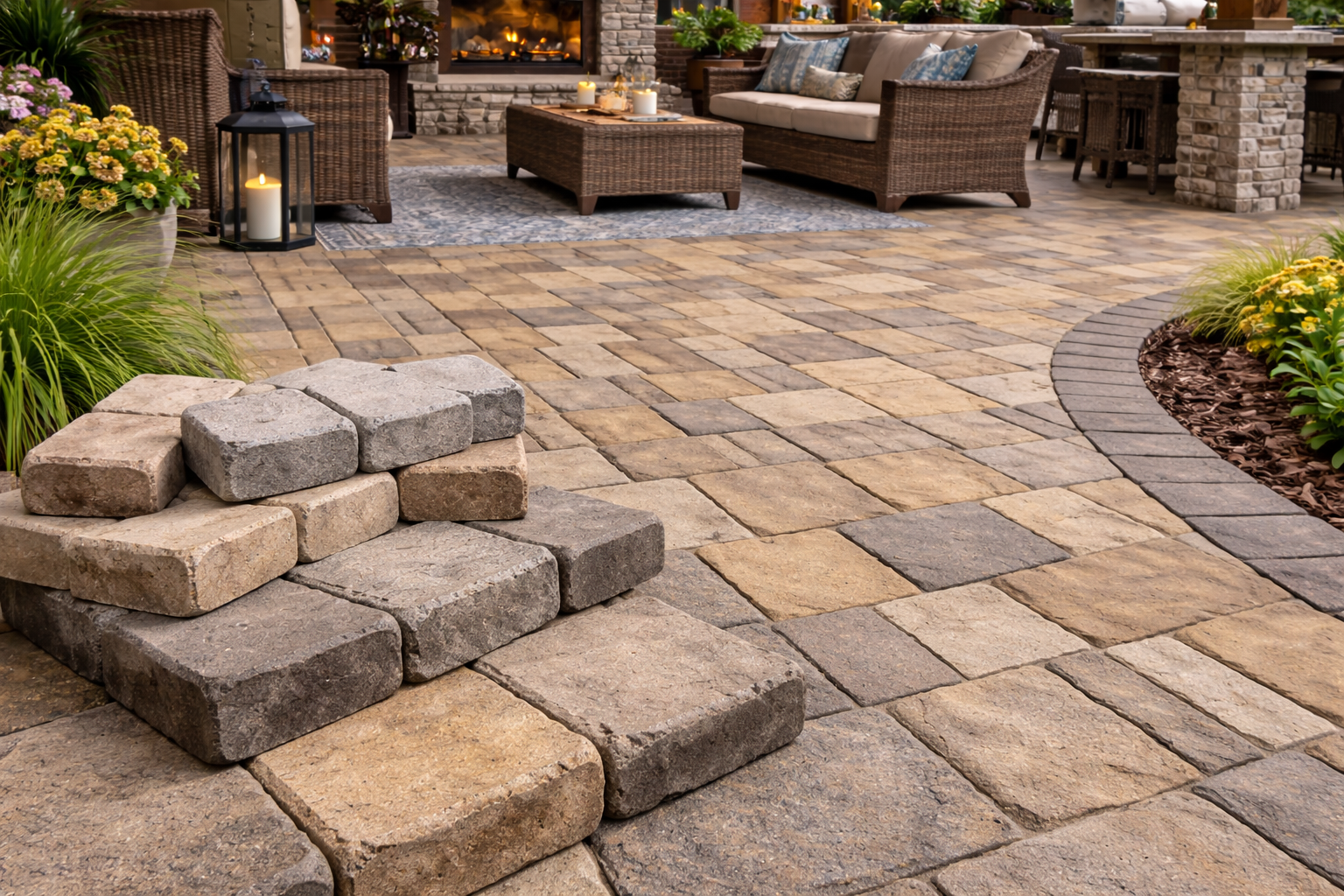
- Concrete pavers — $14 to $18 per sq ft installed. The most popular and cost-effective option. Brands like Belgard and Techo-Bloc offer a wide range of colors, textures, and sizes. Highly durable, resistant to fading, and easy to repair, they’re the material of choice for most Tulsa paver patios.
- Brick pavers (clay) — $15 to $20 per sq ft installed. Classic look with natural color variation. Brick pavers are denser than concrete and hold color well over time without sealing. A good choice for traditional or transitional home styles.
- Travertine — $18 to $28 per sq ft installed. A natural stone option with a refined, upscale look. Travertine stays cooler to the touch in Tulsa’s summer heat than concrete or brick, which makes it a popular choice around pools and covered patios. Requires sealing to prevent staining.
- Flagstone — $20 to $35 per sq ft installed. Natural stone with an irregular, organic look. Each piece is unique, which gives flagstone patios a handcrafted character that manufactured pavers can’t replicate. Higher labor cost due to the time required to fit irregular pieces together.
- Porcelain pavers — $22 to $40 per sq ft installed. The premium end of the market. Porcelain is extremely dense, frost-resistant, and virtually maintenance-free. It comes in large-format sizes and realistic stone or wood-look finishes. Increasingly popular in modern Tulsa outdoor designs.
What’s Included in the Price
A complete paver patio installation in Tulsa covers more than just laying the pavers. In fact, most of the cost goes into the prep work underneath — here’s what a proper installation includes:
- Excavation — The crew removes soil to a depth of 6–8 inches to make room for the base layers. Excavation costs $1–$3 per square foot and most contractors include it in their quote.
- Gravel base — A 4–6 inch compacted crushed stone base forms the foundation of the patio. This is the most important part of the installation — a properly compacted base prevents settling, shifting, and drainage problems over time. Tulsa’s clay soil makes base preparation especially critical.
- Bedding sand layer — The installer spreads a 1-inch layer of coarse sand over the gravel base to level the surface and allow for minor adjustments during paver placement.
- Paver installation — The crew lays pavers to the specified pattern, cuts them to fit edges and obstacles, and compacts them into the sand bed.
- Edge restraints — Plastic or aluminum edging goes around the perimeter to prevent pavers from shifting outward over time. Cheaper installations often skip this step, but it’s essential for long-term patio stability.
- Polymeric sand — The installer sweeps joint sand into the gaps between pavers and activates it with water to harden. Polymeric sand resists weeds and insects and holds its position better than regular sand.
- Cleanup and haul-off — The crew removes excavated soil and leftover materials from the site.
Additional Cost Factors
Pattern Complexity
Simple running bond or stacked patterns cost the least because they involve minimal cuts and straightforward layout. More complex options like herringbone, basketweave, and circular patterns require additional cuts, more waste, and more labor time — typically adding $2–$5 per square foot to the project cost. Beyond that, custom inlays or contrasting border patterns add further cost but create a significantly more finished look.
Demolition of an Existing Patio
If you’re replacing an existing patio, demolition adds $4–$8 per square foot to the project. Specifically, concrete slabs with rebar cost more to demo than plain concrete or existing sand-set pavers.
Grading and Drainage
Sloped lots or yards with drainage issues need additional grading work, which adds $1–$3 per square foot. Additionally, the patio must slope a minimum of ¼ inch per foot away from the house to direct water away from the foundation. On flat lots, a French drain or channel drain may also be necessary to manage runoff — expect to add $500–$2,000 depending on the system.
Sealing
Sealing a paver patio costs $1.50–$3 per square foot and is recommended every 3–5 years in Oklahoma’s climate. The process protects against staining, UV fading, and weed growth in the joints. Arrow includes a discussion of sealing options and timing as part of every project consultation.
Add-Ons
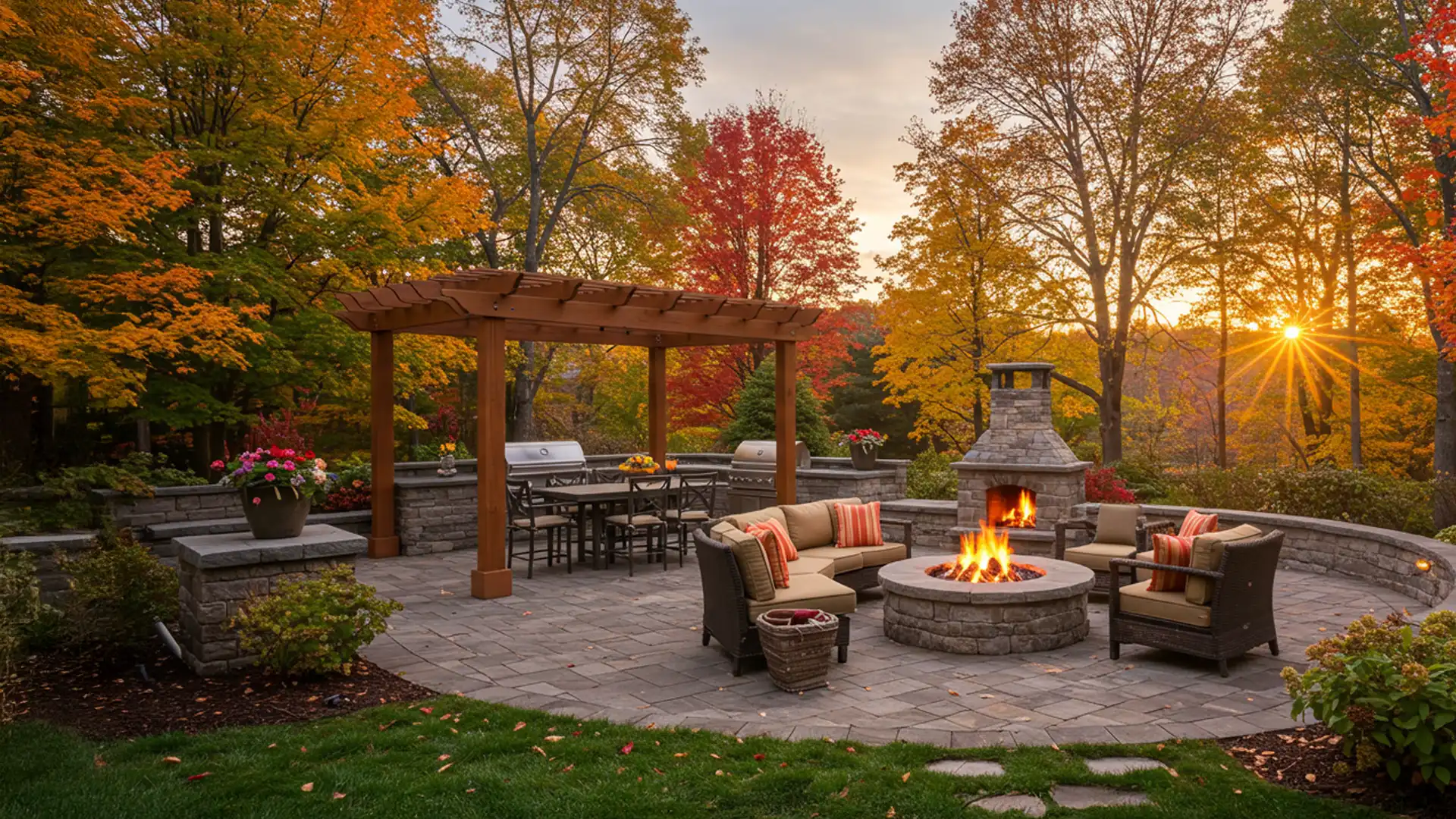
Seating walls, steps, built-in fire pits, and pergolas are commonly added to paver patio projects. Each adds cost but also adds function and visual completeness to the finished space. A seating wall around the patio perimeter typically adds $1,500–$4,000 depending on length and material. For a full breakdown of how these features affect your overall budget, our guide to the best outdoor living upgrades to prioritize on a budget walks through how to sequence projects for the best return.
Paver Patio vs. Stamped Concrete: Which Is Better for Tulsa?
This is one of the most common questions Tulsa homeowners ask before starting a patio project. Both are strong options — however, they perform differently over time. Here’s how they compare:
- Pavers — Higher upfront cost. However, individual pavers can be lifted and replaced if one cracks or settles. As a result, there’s no surface-wide cracking. Water passes through the joints, so drainage is better. With proper maintenance, pavers last 25–50 years and need resealing every 3–5 years.
- Stamped concrete — Lower upfront cost and a more seamless look with no visible joints. On the downside, it’s susceptible to surface cracking over time, especially in Oklahoma’s freeze-thaw cycles. Because the color and pattern are integral to the surface, repairs are difficult to match invisibly. Resealing every 2–3 years is necessary.
For a deeper side-by-side comparison tailored to Tulsa’s climate and soil conditions, our post on stamped concrete vs. pavers for Tulsa backyards covers every relevant factor in detail.
Tulsa-Specific Considerations
- Clay soil — Tulsa’s clay soil expands and contracts significantly with moisture changes, putting real stress on any hardscape. To counter this, contractors need a properly compacted crushed stone base — at least 4 inches, ideally 6. Without it, settling and joint separation are almost inevitable. This is the single most important factor in paver patio longevity in our market.
- Freeze-thaw cycles — Oklahoma winters bring enough freezing temperatures to force water in concrete to expand and crack. Sand-set pavers handle freeze-thaw better than poured concrete because the flexible joint system absorbs movement without fracturing the surface.
- Heat and UV — Tulsa’s intense summer sun fades unsealed concrete pavers over time. Fortunately, quality pavers from brands like Belgard use through-body color that fades more slowly, and regular sealing preserves surface appearance. Lighter-colored pavers also stay cooler underfoot in full Oklahoma sun.
- Best time to build — Fall is the ideal season for paver patio projects in Tulsa. Moderate temperatures allow the base to compact and cure properly, and contractor schedules open up after the spring rush. Spring builds are also common but tend to come with longer wait times.
Frequently Asked Questions
How long does a paver patio last in Tulsa?
A properly installed paver patio lasts 25–50 years in Tulsa’s climate. The key is base preparation — a well-compacted crushed stone base in Oklahoma’s clay soil is what separates a patio that holds up for decades from one that starts shifting in five years. Importantly, individual pavers that crack or settle can come out and go back in without disturbing the rest of the patio.
Do I need a permit for a paver patio in Tulsa?
Most standard paver patios don’t require a permit in Tulsa. However, if the patio attaches to the house, incorporates electrical work, or is part of a larger project like an outdoor kitchen or pergola, a permit may be required. Arrow handles all permitting as part of every project.
How long does it take to install a paver patio?
Generally, most residential paver patio projects take three to seven days from excavation to completion, depending on size and complexity. Larger projects or those with significant grading work take longer. For a full breakdown by project type, our post on how long outdoor living projects take to build covers timelines from planning through completion.
Can pavers be installed over an existing concrete slab?
Yes — contractors can mortar-set pavers over an existing concrete slab in good condition. This approach eliminates demolition costs and reduces the overall project cost. The trade-off is that you’re tied to the existing slab’s elevation and drainage slope. During the free consultation, Arrow evaluates existing slabs to determine whether overlay or full installation makes more sense for your specific situation.
What’s the best paver brand for Tulsa?
Belgard is the most widely used paver brand in the Tulsa market and performs well in Oklahoma’s climate. Techo-Bloc and Tremron are also strong options at the mid-to-upper price range. For premium large-format designs, porcelain paver brands offer excellent durability. Arrow works with multiple suppliers and recommends products based on your specific design, budget, and performance requirements.
Ready to Get a Quote?
Arrow Outdoor Living designs and installs paver patios, walkways, and complete outdoor living spaces for Tulsa homeowners. If you’re ready to add a paver patio to your backyard — or just want to understand your options before committing — we’ll walk you through materials, patterns, and real local pricing during a free on-site consultation.