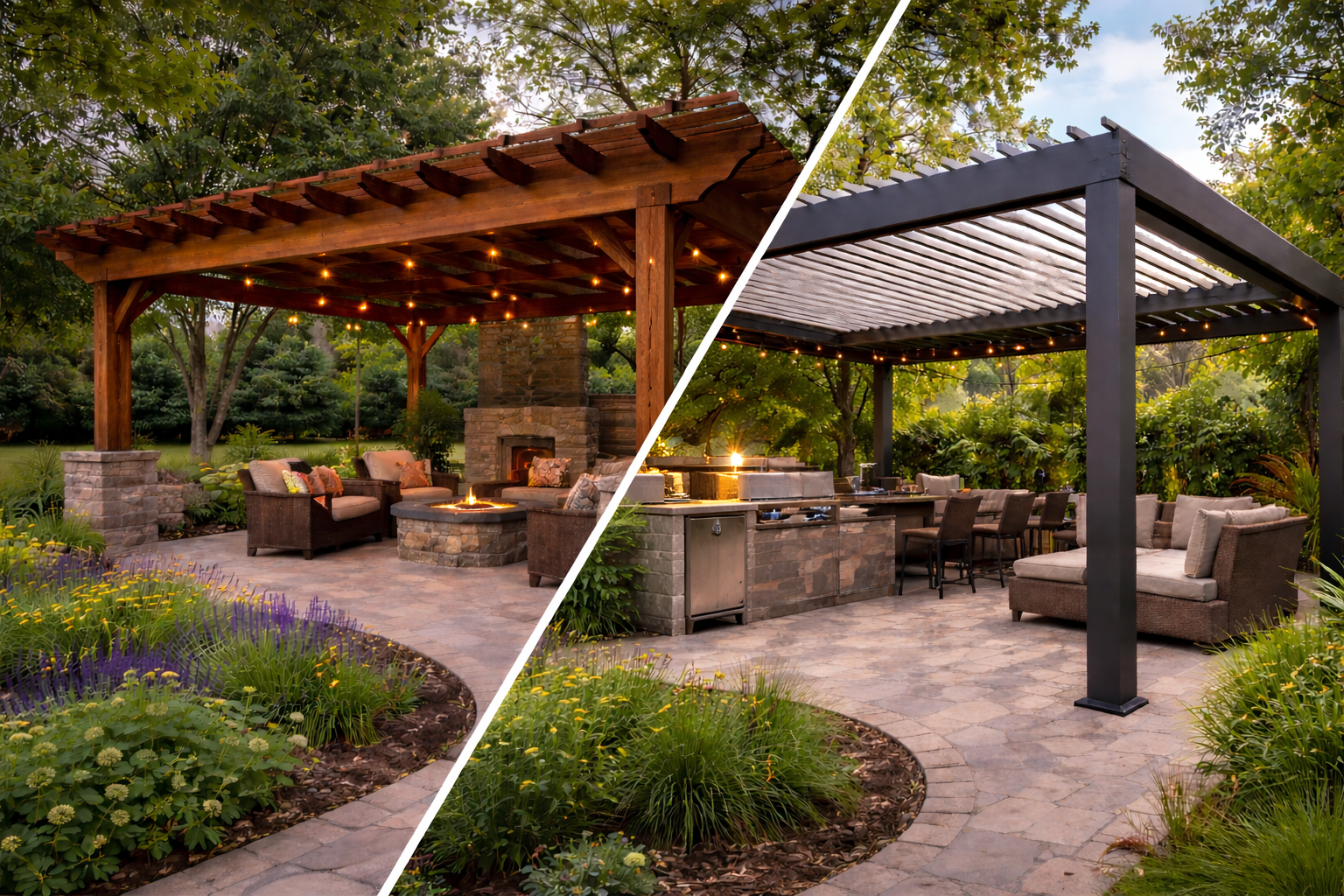
Wood or aluminum — which pergola holds up better in Oklahoma? For most Tulsa homeowners, aluminum wins on durability and long-term value. Wood wins on natural beauty and upfront cost. The right choice depends on how much maintenance you’re willing to do, how long you want the structure to last, and what aesthetic fits your backyard.
Oklahoma’s climate is harder on outdoor structures than most people expect. The combination of intense summer heat, strong storm-season winds, freeze-thaw cycles in winter, and high humidity during spring makes material choice matter more here than in milder climates. Here’s a full breakdown of how each option performs in our conditions.
Which One Is Right for Your Backyard?
Here’s a practical way to think through the decision:
- Choose wood if — you love the natural look of real wood, plan to train climbing vines on the structure, have a traditional or heavily landscaped backyard aesthetic, and are comfortable committing to regular sealing and maintenance every couple of years.
- Choose aluminum if — you want a low-maintenance structure that lasts decades, live in a part of Tulsa with significant wind exposure, have a modern or transitional backyard style, or simply don’t want to add another maintenance task to your list.
- Either works well if — it’s properly built, correctly anchored for Oklahoma wind loads, and finished or sealed appropriately for our climate. Material matters, but installation quality matters just as much.
Most of the pergola projects we build in Tulsa use cedar for homeowners who want that traditional wood look, and aluminum for homeowners prioritizing longevity and low maintenance. Both are strong choices when built correctly. To see the full range of styles and materials we offer as a Tulsa outdoor structure builder, browse our pergolas and pavilions lineup.
If you’re also weighing how a pergola fits into a broader outdoor project, our post on how long it takes to build an outdoor living space is a helpful next read.
How Each Material Handles Oklahoma’s Climate
Summer Heat
Tulsa summers regularly hit 100°F or above. Wood handles heat reasonably well but dries out and cracks without regular sealing — especially on south and west-facing exposures where afternoon sun is relentless. Aluminum stays structurally stable in extreme heat. Powder-coated aluminum can get hot to the touch on exposed surfaces, but quality installs use finishes designed to minimize heat absorption.
Wind and Storms
Oklahoma ranks among the windiest states in the country. Tulsa sees sustained winds averaging 13 mph and storm-season gusts well above 50 mph. A properly built wood pergola — especially one made from cedar or heavy-dimensional lumber — handles wind load well because of its mass and structural rigidity. Aluminum is lighter, which makes proper anchoring critical. A well-anchored aluminum pergola performs fine in Oklahoma wind; a poorly anchored one is a liability. Either material requires correct installation for your specific site conditions.
Moisture and Freeze-Thaw Cycles
This is where the gap between materials widens. Wood absorbs moisture, and in Oklahoma’s wet springs and occasional ice storms, that moisture works into joints, end grain, and post bases. Freeze-thaw cycling cracks paint and sealant, which lets more moisture in. Left untreated for even a season or two, wood posts at ground contact begin to soften and rot. Aluminum doesn’t absorb moisture at all. It won’t rot, swell, or crack from freeze-thaw cycles. For a structure you want to last 30+ years with minimal intervention, that difference matters.
Termites and Pests
Oklahoma has active subterranean termite populations, and Tulsa falls in a high-activity zone. Wood posts set at or near grade are vulnerable, particularly pressure-treated pine, which resists termites but isn’t immune. Cedar is more naturally resistant but not termite-proof. Aluminum has zero pest vulnerability — termites have no interest in it and can’t damage it regardless.
Maintenance Comparison
Maintenance is where most Tulsa homeowners underestimate wood pergolas before buying one.
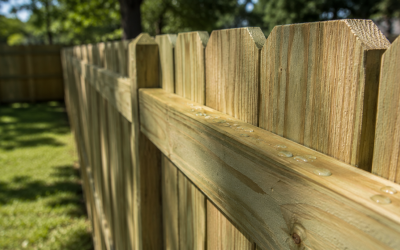
- Wood — Requires staining or sealing every 1–3 years to maintain appearance and prevent moisture damage. Posts should be inspected annually for rot at ground contact. Boards that crack or split need attention before water infiltrates further. Skip two or three maintenance cycles and the repair costs escalate quickly. A wood pergola maintained well lasts 15–25 years. One that’s neglected may need significant work in under 10.
- Aluminum — Requires almost no maintenance. An occasional rinse with a garden hose removes dust and debris. The powder-coated finish resists fading, chipping, and peeling. There’s no staining, sealing, sanding, or repainting involved. Most aluminum pergolas carry manufacturer warranties of 20–30 years, and the material itself lasts longer than that with basic care.
For Tulsa homeowners who travel, have demanding schedules, or simply don’t want another outdoor maintenance task, aluminum’s low upkeep is a meaningful advantage.
Cost Comparison
Wood typically costs less upfront. Aluminum typically costs less over the life of the structure. Here’s how the numbers generally compare for a custom-built pergola in the Tulsa market:
- Pressure-treated pine — Lowest upfront cost, highest long-term maintenance burden. Expect to stain or seal every year to 18 months in Oklahoma’s climate.
- Cedar — Mid-range upfront cost, more naturally rot and insect resistant than pine, requires staining every 2–3 years. The most popular wood choice for Tulsa pergolas because of its balance of beauty and durability.
- Aluminum — Higher upfront cost than wood, but zero ongoing maintenance expense. Over a 20-year span, aluminum is typically the more cost-effective option when you factor in materials, labor, and time for wood upkeep.
For a full breakdown of what pergola projects cost in the Tulsa market by material and size, our 2026 pergola cost guide covers the numbers in detail. For a national cost comparison, Angi’s pergola cost guide is a helpful benchmark that puts the average U.S. range in perspective against what Tulsa homeowners typically pay.
Aesthetic Differences
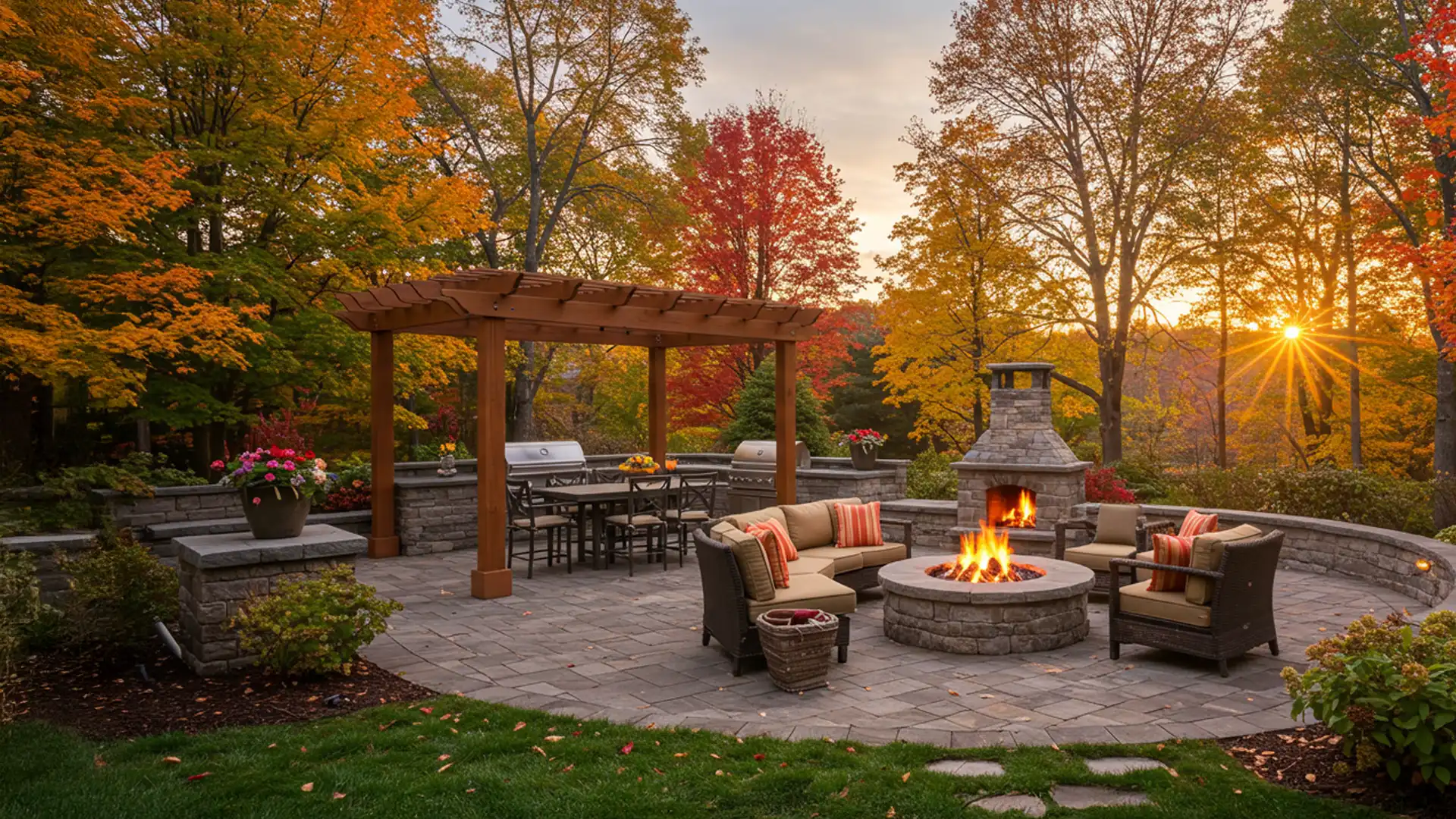
Wood has a warmth and authenticity that aluminum can’t fully replicate. The grain, texture, and natural variation of cedar or hardwood gives a pergola a crafted, organic feel that fits beautifully in traditional and landscape-heavy backyards. If you’re planning to grow climbing vines — Crossvine, Trumpet Vine, or Wisteria are all excellent Oklahoma options — a wood structure tends to look more natural as the plants fill in.
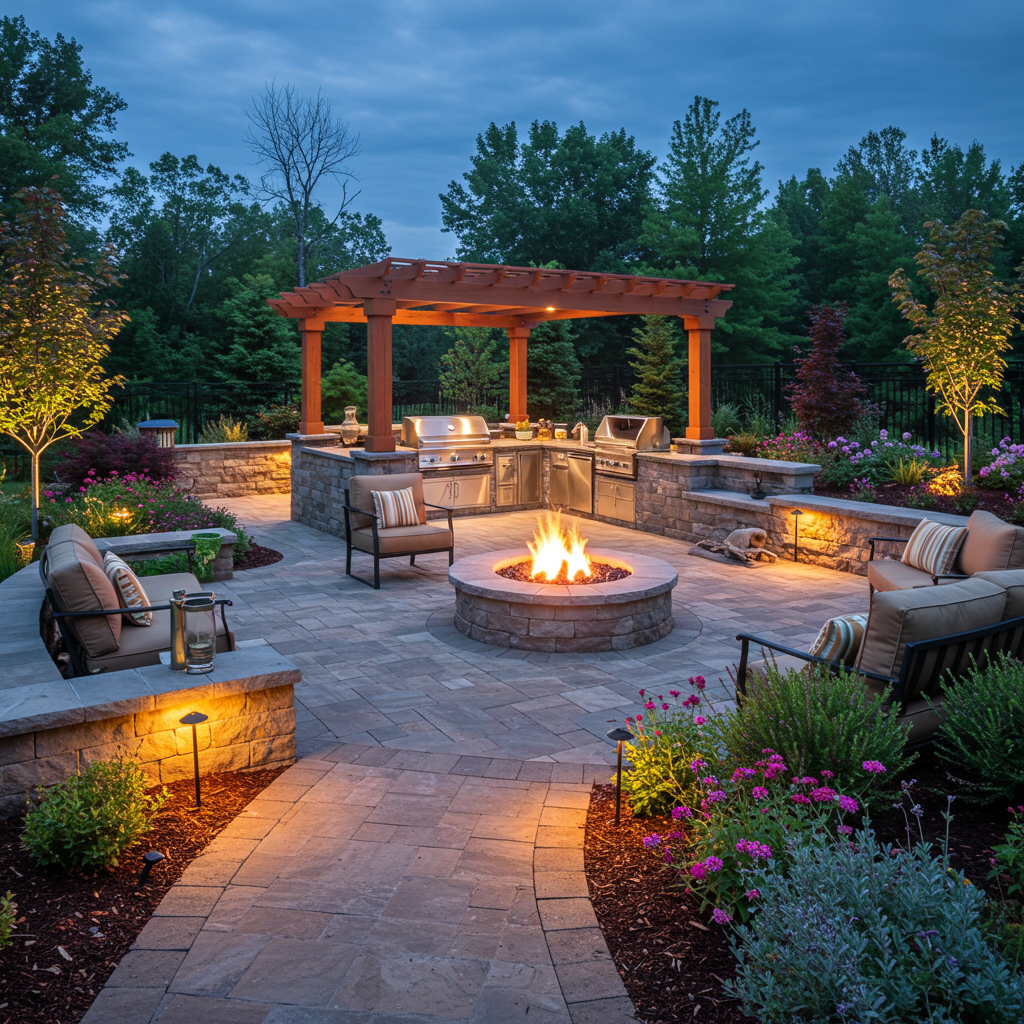
Aluminum has come a long way aesthetically. Modern powder-coated finishes are available in dozens of colors, and many manufacturers now offer realistic wood-grain textures that are hard to distinguish from real wood at a glance. Aluminum also pairs well with contemporary and transitional architectural styles, and its clean lines suit minimalist outdoor designs. If you’re building a pergola as part of a larger outdoor living space with a concrete patio, outdoor kitchen, or modern landscaping, aluminum often integrates seamlessly.
Neither material wins outright on aesthetics — it depends entirely on your backyard’s existing style and what you want the finished space to feel like. Our post on outdoor living trends for Tulsa in 2026 covers how pergola styles are evolving locally if you’re still working through design direction.
Frequently Asked Questions
How long does a wood pergola last in Oklahoma?
Cedar pergolas last 15–25 years with consistent maintenance — staining or sealing every 2–3 years and annual inspection of post bases. Pressure-treated pine lasts 10–15 years under the same care schedule. Oklahoma’s heat, moisture, and freeze-thaw cycles accelerate wear on wood that isn’t regularly maintained, so the gap between a well-kept and a neglected wood pergola is significant here.
How long does an aluminum pergola last?
A properly installed aluminum pergola typically lasts 30–50 years. The powder-coated finish resists fading and chipping for decades, and the structural material itself doesn’t rot, warp, or corrode. Most quality aluminum pergolas come with manufacturer warranties in the 20–30 year range.
Does aluminum get too hot to touch in Oklahoma summers?
Exposed metal surfaces can get warm in direct sun, but quality aluminum pergolas use powder-coated finishes specifically designed to reduce heat absorption. The overhead structure is typically shaded by its own beams and roofline, which limits direct sun exposure on most surfaces. This is less of a concern in practice than many homeowners expect.
Can I add climbing plants to an aluminum pergola?
Yes, though it takes more planning than with wood. Climbing plants need something to grip — wire guides, trellis panels, or lattice attachments work well on aluminum frames. The plants themselves don’t damage aluminum the way they can work into gaps in aging wood. It’s a workable combination; it just requires the right hardware at installation.
Which holds up better in Oklahoma wind?
Both materials perform well in Oklahoma wind when properly anchored. Wood has more mass and natural structural rigidity, which some builders prefer for high-wind areas. Aluminum is lighter but engineered for strength — the key is correct footing depth and anchor hardware rated for local wind loads. Either way, proper installation matters more than material choice when it comes to wind performance.
Ready to Get a Quote?
Arrow Outdoor Living builds custom wood and aluminum pergolas for Tulsa homeowners. If you’re not sure which material is right for your backyard, we’ll walk you through the options based on your site, style, and budget during a free on-site consultation.