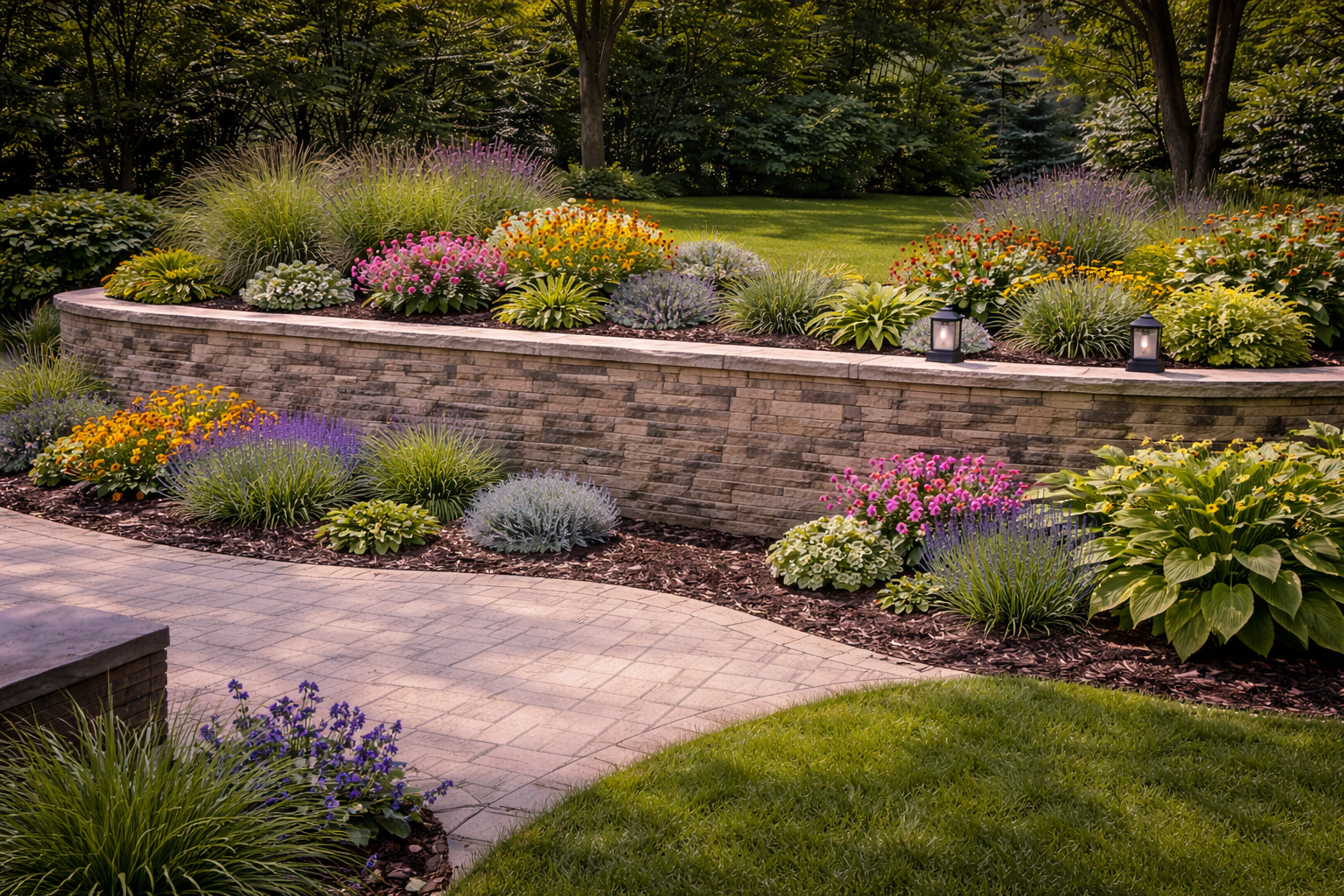
How much does a retaining wall cost in Tulsa? Most homeowners pay between $15 and $46 per square foot depending on material, with total project costs typically ranging from $2,000 for a small garden wall to $20,000 or more for a large tiered system. The biggest cost drivers are wall height, material choice, drainage requirements, and whether your property’s slope requires engineered design.
Retaining walls are one of the most practical investments a Tulsa homeowner can make — especially on sloped lots in south and midtown Tulsa where erosion, drainage, and usable yard space are real concerns. A well-built wall doesn’t just hold back soil. It creates level outdoor living space, controls water runoff, and adds structure to a landscape that would otherwise be difficult to use. Here’s a full breakdown of what they cost and what drives the price.
Retaining Wall Cost by Material in Tulsa
Material is the single biggest variable in retaining wall pricing. Here’s what Tulsa homeowners typically pay per square foot of wall face, installed:
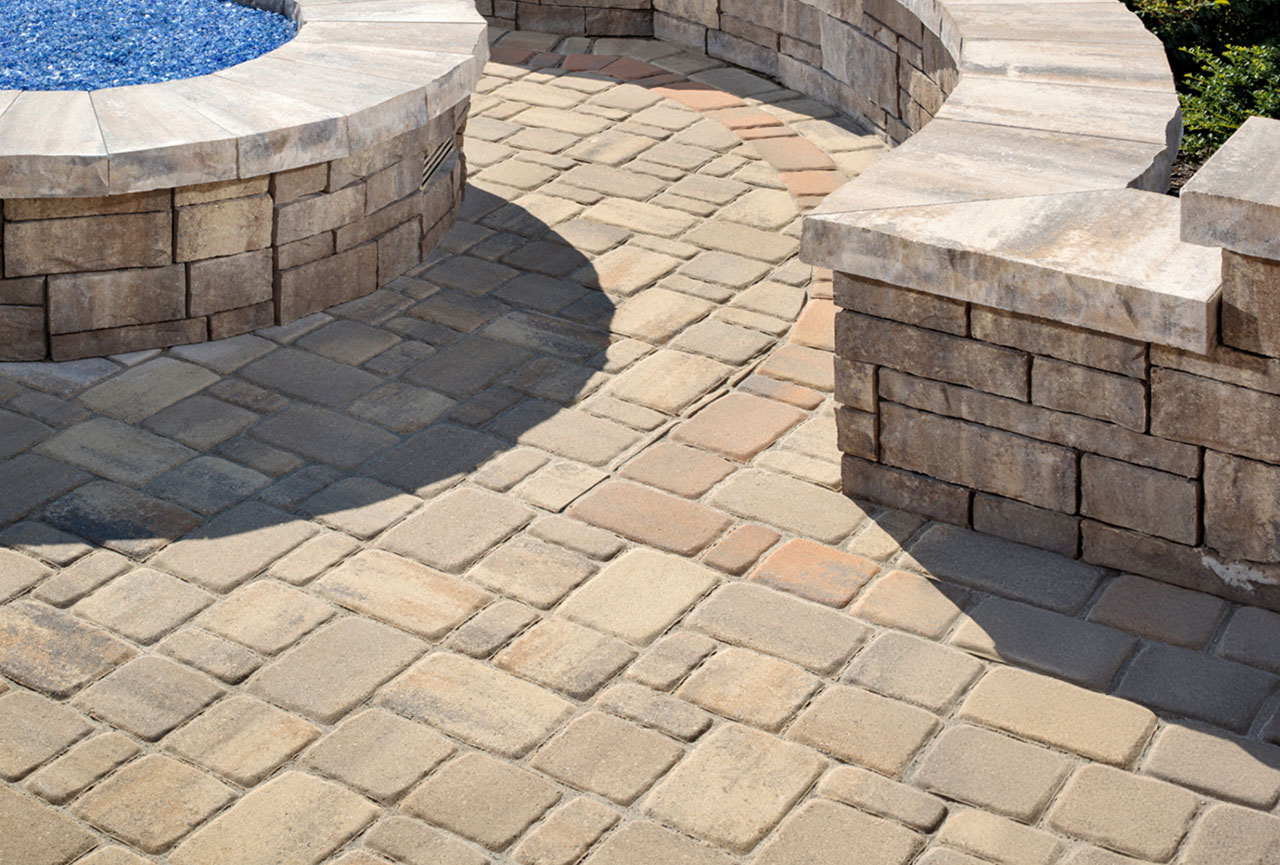
- Interlocking concrete block (segmental) — $19 to $37 per sq ft. The most common choice for Tulsa residential projects. Brands like Versa-Lok, Belgard, and Allan Block are widely used here. No mortar required, flexible in design, and engineered to handle freeze-thaw cycles without cracking. Versa-Lok is manufactured locally in Tulsa, which keeps material costs lower than shipped-in alternatives.
- Natural stone — $25 to $40 per sq ft. The most attractive option for landscape-heavy backyards. Dry-stack stone walls have a timeless look and drain naturally, which is an advantage in Oklahoma’s heavy rain seasons. Labor costs are higher because each stone requires individual placement.
- Poured concrete — $27 to $40 per sq ft. Strong, clean-lined, and well-suited to modern outdoor spaces. Poured concrete walls hold up well in Tulsa’s soil conditions and can be formed to almost any shape. They require more skilled labor than block systems, which pushes costs higher.
- Cinder block — $16 to $27 per sq ft. A budget-friendly structural option. Often used when the wall will be covered with stone veneer or stucco for appearance. Less attractive on its own but solid and practical for taller walls.
- Boulder/fieldstone — $27 to $46 per sq ft. The highest-cost option due to material weight and specialized equipment needed for placement. Creates a natural, rugged look that works well in wooded or heavily landscaped Oklahoma yards.
- Railroad ties or timber — $16 to $26 per sq ft. The lowest upfront cost for short walls. Not recommended for Tulsa’s climate long-term — wood rots, especially in Oklahoma’s wet springs and humid summers. Most timber walls need full replacement within 10–15 years.
Retaining Wall Cost by Project Size
Wall height and length determine your total square footage of wall face, which is how most contractors price the work. Here are realistic project totals for common Tulsa retaining wall builds:
- Small garden or landscape bed wall (under 2 ft high, 20–30 linear ft) — $1,500 to $4,000. Low walls around planting beds, driveways, or patio edges. Typically don’t require a permit or engineered design in Tulsa.
- Medium retaining wall (2–4 ft high, 30–50 linear ft) — $4,000 to $10,000. The most common residential project in Tulsa. Holds back a sloped yard, creates a level patio area, or defines a tiered landscape. Drainage and geogrid installation are typically included at this height.
- Large or tiered retaining wall (4+ ft high or multiple walls) — $10,000 to $25,000+. Significant slope retention, terraced yard systems, or walls requiring engineered design. Engineering adds $500 to $1,500 to the project but is required by the City of Tulsa for walls over 4 feet in most cases.
What’s Included in the Cost
A properly built retaining wall in Tulsa involves more than just stacking blocks or pouring concrete. A complete installation typically includes:
- Excavation and grading — Soil is removed to create a level base and proper wall setback. On sloped Tulsa lots, this can involve significant earthwork.
- Crushed stone base — A compacted gravel base is critical for wall stability, especially in Tulsa’s clay-heavy soil. Clay expands and contracts with moisture, which pushes walls over time without a proper base and drainage system.
- Drainage — Perforated drain pipe or French drain installation behind the wall manages water pressure. Skipping drainage is the most common reason retaining walls fail in Oklahoma — the pressure from water-saturated soil after heavy rain is significant.
- Geogrid reinforcement — For walls over 3 feet, geogrid layers (a mesh fabric embedded in the backfill) tie the wall to the soil behind it and dramatically extend wall life. Required on most mid-to-large projects.
- Wall construction and backfill — Block placement or concrete forming, backfill compaction, and cap installation.
- Cleanup and haul-off — Excavated soil and leftover materials removed from the site.
Additional Cost Factors
Permits and Engineering
In most of Tulsa County, retaining walls under 3 feet typically don’t require a permit. Walls 3–6 feet require a permit, which runs $100–$300. Walls over 6 feet require both a permit and an engineered structural design, adding $500–$1,500 to the project. Arrow handles permitting as part of every project, so you don’t have to navigate that process on your own.
Site Accessibility
Walls on steep slopes or in tight areas where equipment can’t easily reach require more hand labor, which increases cost. If your backyard access is limited to a gate or narrow side yard, expect labor costs to run 15–25% higher than a wall in an open, easily accessible area.
Demolition of an Existing Wall
Replacing a failed retaining wall adds demolition and haul-off costs, typically $3–$8 per square foot depending on material. Concrete and boulder walls cost more to demo than timber or block. If your existing wall is leaning, cracking, or showing significant drainage failure, full replacement is almost always more cost-effective than repair.
Stairs and Steps
Built-in stairs or steps connecting terraced levels add $1,000–$4,000 depending on width, height, and material. Steps integrated into the wall system during construction cost less than steps added after the fact.
Seating Walls and Caps
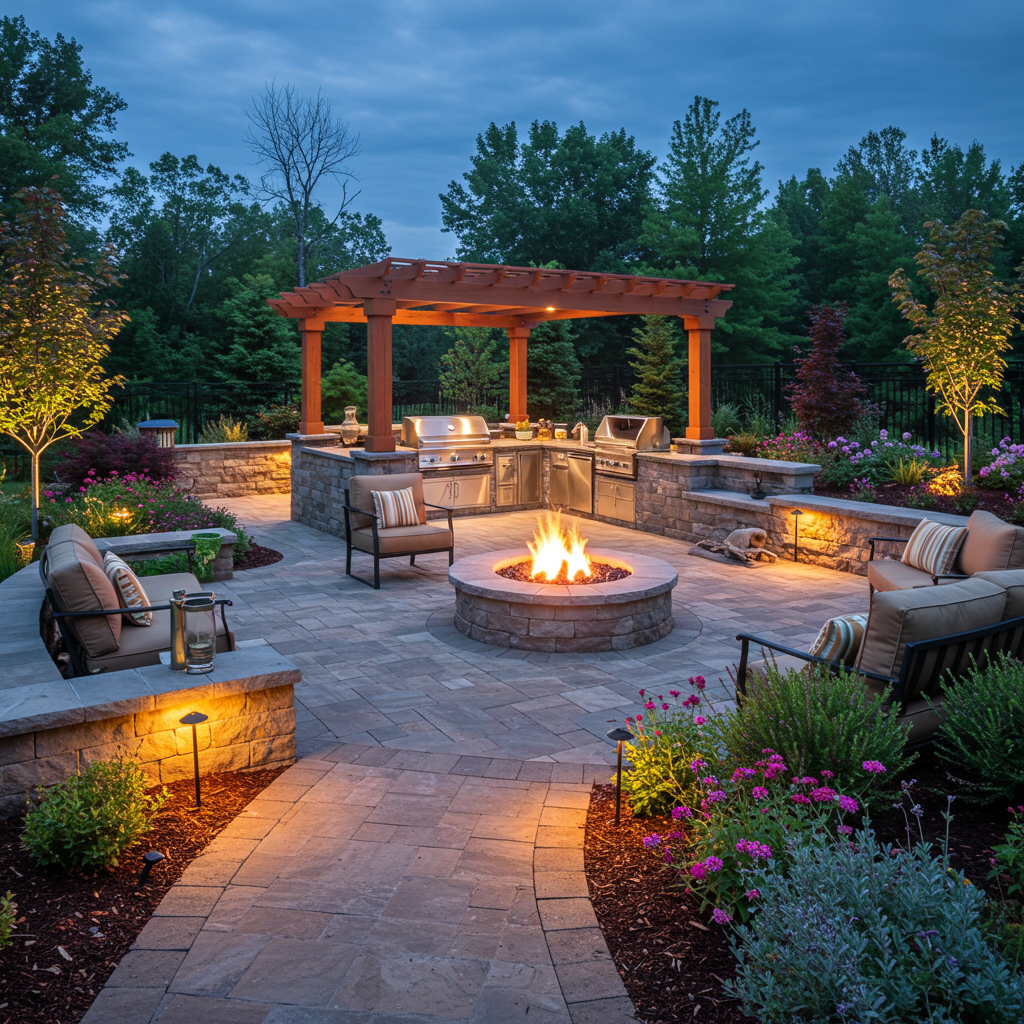
Decorative cap stones and seating walls built on top of a retaining wall add $15–$30 per linear foot. A seating wall around a fire pit or patio edge is one of the most popular upgrades Arrow builds in Tulsa — it turns a purely functional wall into a usable part of the outdoor living space.
Tulsa-Specific Considerations
- Clay soil — Tulsa’s clay expands significantly when wet and contracts when dry. This creates lateral pressure that pushes retaining walls outward over time. Proper drainage behind the wall is non-negotiable here. A wall built without drainage in Tulsa clay will fail — it’s not a matter of if, but when.
- Sloped lots — South Tulsa neighborhoods like Jenks, Bixby, and the hills around Riverside Drive frequently have significant grade changes that make retaining walls necessary for creating usable backyard space. Tiered wall systems are common in these areas and can transform an otherwise unusable sloped yard into a multi-level outdoor living space.
- Oklahoma wind and storm load — Taller walls on exposed sites need to account for Oklahoma wind loads in their design. This is another reason engineered walls are required above certain heights — the engineering accounts for site-specific conditions, not just soil pressure.
- Best time to build — Fall is the ideal season for retaining wall projects in Tulsa. Soil moisture levels are more consistent than in spring, heat isn’t a factor for concrete curing, and contractor schedules are more flexible than the busy spring season. Spring builds are also possible but tend to book out faster.
Do I Need a Retaining Wall?
Not every sloped yard needs a retaining wall. Here are the clearest signs one is worth the investment on your Tulsa property:
- Soil is eroding — If you’re losing topsoil to rain runoff or your slope is actively washing out, a wall solves the problem permanently.
- You want more usable yard space — A retaining wall creates a flat platform for a patio, garden, or play area that wouldn’t otherwise be possible on a sloped lot.
- Your existing wall is failing — Leaning, bowing, or cracking walls should be addressed before they fail completely. A partial failure is significantly cheaper to repair than a full collapse.
- Water pools near your foundation — Improper drainage on a sloped lot can push water toward your home’s foundation. A retaining wall with proper drainage redirects that water away from the structure.
If you’re not sure whether a wall makes sense for your specific yard, our post on the best outdoor living upgrade to prioritize on a budget walks through how to sequence outdoor projects for the best return. For a look at how a retaining wall can anchor a larger outdoor living design, our guide to how long outdoor living projects take to build covers typical timelines from planning through completion. For national cost benchmarks, Angi’s retaining wall cost guide is a solid reference that puts Tulsa’s pricing in context against the national average.
Frequently Asked Questions
Do I need a permit for a retaining wall in Tulsa?
Walls under 3 feet typically don’t require a permit in Tulsa. Walls between 3 and 6 feet require a permit. Walls over 6 feet require both a permit and an engineered structural design. Arrow Outdoor Living handles all permitting as part of every project.
How long does a retaining wall last in Oklahoma?
A properly built concrete block or natural stone retaining wall lasts 40–60 years or more with minimal maintenance. Poured concrete walls have a similar lifespan. Timber and railroad tie walls typically need full replacement in 10–15 years in Oklahoma’s climate due to rot and moisture damage. The quality of the drainage system behind the wall matters as much as the wall material itself when it comes to long-term performance.
Can I build a retaining wall myself?
Small garden walls under 2 feet can be DIY-friendly if you’re comfortable with the excavation and base preparation. Anything over 2 feet — especially on a sloped Tulsa lot with clay soil — involves drainage, geogrid, and compaction work that significantly affects the wall’s long-term performance. Improperly built walls fail, and rebuilding a failed wall costs more than building it right the first time.
What’s the best retaining wall material for Tulsa?
For most residential projects in Tulsa, segmental concrete block — particularly Versa-Lok, which is manufactured locally — offers the best combination of cost, durability, design flexibility, and ease of proper installation. Natural stone is the best choice aesthetically for landscape-heavy yards. Poured concrete is the best choice for a clean, modern look or when maximum structural strength is needed.
How do I know if my existing retaining wall needs to be replaced?
Key warning signs include leaning or bowing, cracks running horizontally through the wall face, soil appearing behind the wall at the base, water pooling on the uphill side, or visible separation between wall sections. Any of these indicate the wall’s drainage or structural system has failed. Arrow offers free on-site consultations and can assess whether repair or full replacement makes more sense for your situation.
Ready to Get a Quote?
Arrow Outdoor Living designs and builds retaining walls, tiered landscape systems, and complete outdoor living spaces for Tulsa homeowners. If you have a sloped yard, a failing wall, or want to create more usable space on your property, we’ll walk you through the options during a free on-site consultation.